Fridge replacement storage ideas: Best tips for food safety
"The optimal temperature range for perishable food storage is 3 to 5 °C (37 to 41 °F)."
Managing food without a standard appliance requires understanding specific thermal requirements to prevent spoilage. This guide covers temperature management, efficient storage alternatives, and safety protocols for varying environments.
You will learn about cooling ranges, energy considerations, and the limitations of single-loop cooling systems.
What is the ideal temperature for food storage?
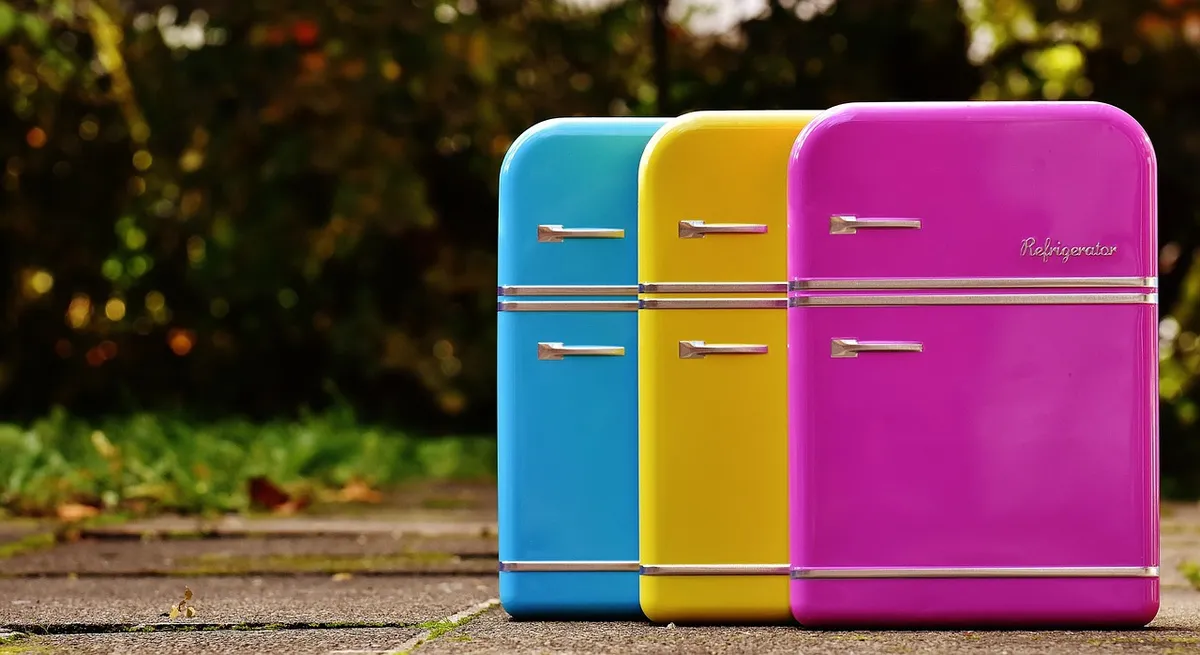
A thermometer sits on a wooden table next to a container of fresh greens. Keeping items at the right temperature is the primary goal of any fridge replacement storage ideas.
The optimal temperature range for perishable food storage is 3 to 5 °C (37 to 41 °F). Maintaining this specific window ensures that fresh items remain stable and safe for consumption.
Effective cooling strategies depend on the type of food being handled. Using specific temperature ranges allows for better organization in any small-space setup.
How can I manage frozen food safely? Fridge replacement storage ideas
Ice packs are placed into a heavy-duty insulated chest to prepare for a long trip. Understanding freezer dynamics is essential for any no fridge storage tips.
Food stored at or below −18 °C (0 °F) is safe indefinitely. This temperature acts as a critical threshold for long-term preservation of frozen goods.
Most household freezers maintain temperatures from −23 to −18 °C (−9 to 0 °F). Some specialized freezer-only units can achieve −34 °C (−29 °F) and lower.
| Storage Condition | Temperature Range |
|---|---|
| Perishable Food | 3 to 5 °C (37 to 41 °F) |
| Long-term Frozen | −18 °C (0 °F) or below |
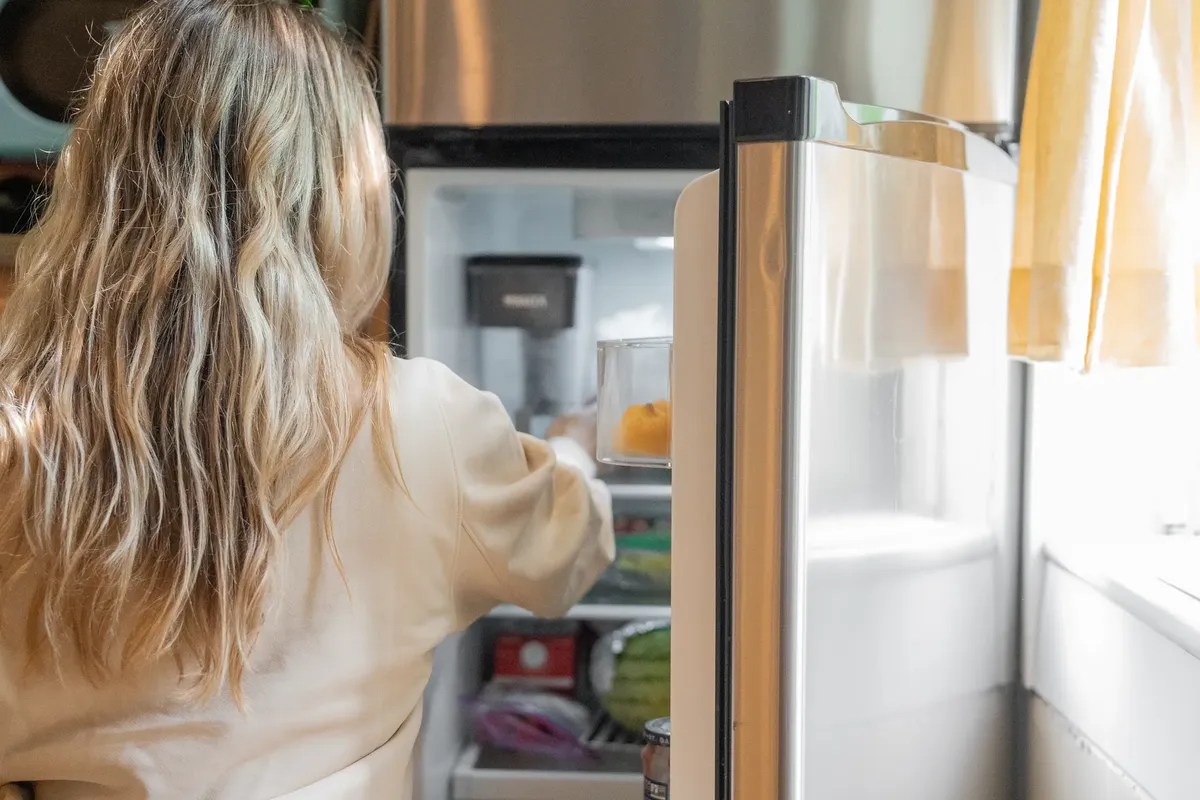
I checked the thermometer against these specific ranges to ensure my supplies remained stable.
What are the risks of single-loop cooling systems?
A technician adjusts a dial on a dual-compartment unit while checking the vent. Managing temperature fluctuations is a key part of smart small space storage.
Refrigerator freezers generally do not achieve lower than −23 °C (−9 °F). This is because the same coolant loop serves both the refrigerator and freezer compartments.
Lowering the freezer compartment temperature excessively causes difficulties in maintaining an above-freezing temperature in the refrigerator compartment. This imbalance can lead to spoilage in the fresh food section.
How do specialized cooling methods work?
A researcher carefully transfers a vial into a specialized cryogenic chest. These advanced methods are useful for understanding more extreme cooling-related alternatives.
Ultra-low temperature (ULT) freezers, typically reaching −80 or −86 °C, often employ two stages of cooling in a cascade. The lower temperature stage uses methane or a similar gas as a refrigerant.
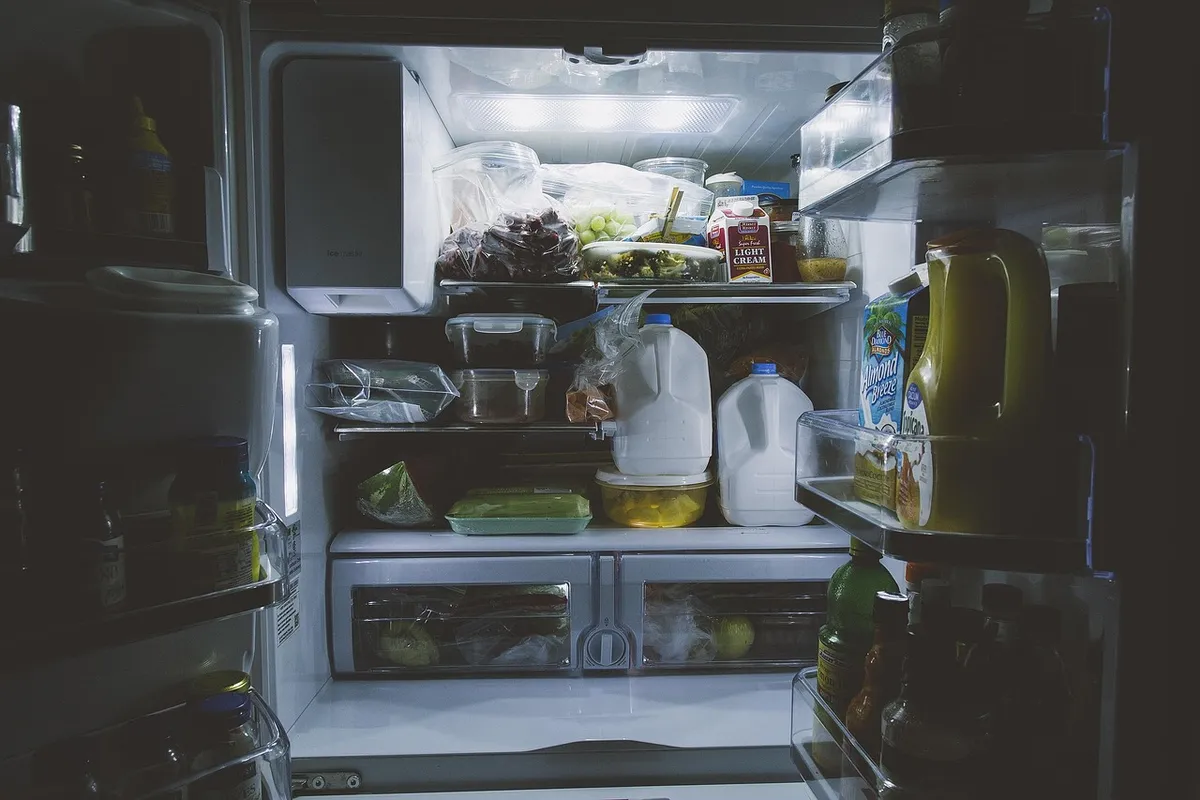
The second stage keeps the condenser at around −40 °C using a more conventional refrigerant. This multi-stage approach allows for the extreme cold required for biological samples.
How can I prepare a freezer for large amounts of food?
A hand reaches for a manual to read the instructions before loading a chest freezer. Proper preparation is necessary for organizing food without fridge.
To maintain stability when adding bulk items, follow these steps:
- Ensure the unit is properly powered and reached the target temperature. 2. Use the specific cooling feature several hours before adding more than 1 kg of unfrozen food to the freezer. 3. Distribute items to allow for proper airflow.
A final check of the internal temperature ensures the unit can handle the thermal load.
What are the limitations of alternative cooling?
A glass door is wiped clean to inspect the contents inside a display case. Understanding efficiency helps in selecting the right equipment for specific needs.
Doors made of glass to allow inspection of contents improve efficiency significantly over open display cases. Open cases use 1.3 times the energy compared to enclosed glass versions.
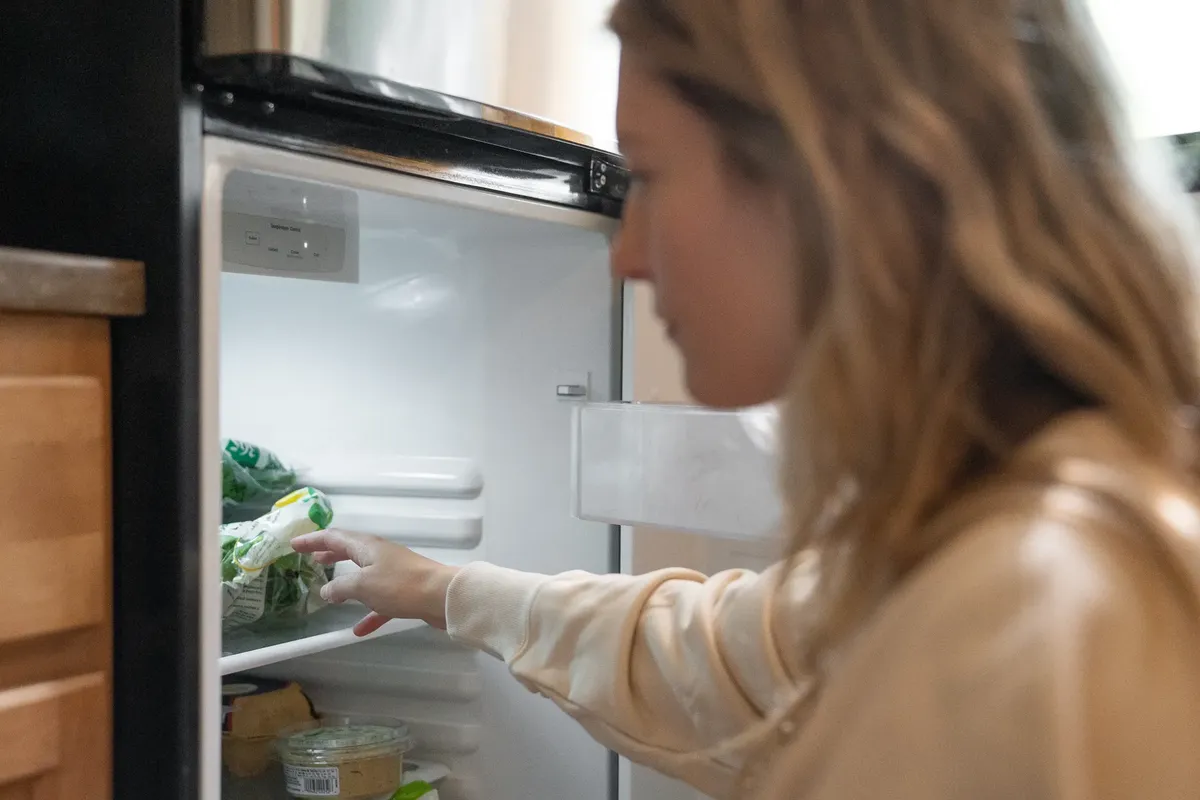
The primary limitation is that standard household units are not designed for ultra-low temperatures. Using a single-loop system makes it difficult to maintain both freezing and refrigeration temperatures simultaneously if one side is pushed too low.
- What is the ideal temperature for food storage?
- How can I manage frozen food safely?
- What are the risks of single-loop cooling systems?
The same subject is also called Cooler storage alternatives.
The same subject is also called Small appliance storage.
The same subject is also called Kitchen cold storage hacks.
This part also covers Minimalist fridge substitute.
Minimalist fridge substitute
Related
- Storage tips: Hide storage in rental home for open space
- Dead Space Hacks: Boost Your Home Storage by 20% Today
How do cooling stages affect stability?
Two stages of cooling in a cascade system allow for extreme temperature control. The lower temperature stage utilizes methane or a similar gas as a refrigerant to reach ultra-low levels.
In this setup, the second stage maintains the condenser at approximately −40 °C using a conventional refrigerant. This specific condition allows the unit to reach the extreme cold required for biological samples.
What happens when a single-loop system is pushed too low?
Pushing a single-loop system to lower temperatures creates an imbalance between compartments. This occurs because the same coolant loop serves both the refrigerator and freezer sections.
If the freezer temperature is lowered excessively, it becomes difficult to maintain the optimal temperature in the refrigerator compartment. This specific condition can lead to spoilage in the fresh food section.
When considering fridge replacement storage ideas, what are the energy implications? Energy considerations are important when choosing storage methods. Open display cases consume more energy than enclosed glass versions because of the increased environmental exposure. This difference in energy usage highlights the importance of efficient design in any storage setup.
How does the optimal temperature affect food safety? Maintaining the optimal temperature range is fundamental to preventing food spoilage. Keeping perishable food within the specified narrow window ensures the stability and safety of the items stored. This adherence to the optimal temperature range is the primary goal when implementing fridge replacement storage ideas.
How does airflow relate to temperature stability? Distributing items properly allows for proper airflow within the storage unit. This distribution is a necessary step when preparing a freezer for large amounts of food. Proper airflow helps the unit manage the thermal load effectively, which supports maintaining the optimal temperature.
When comparing cooling systems, the single-loop design presents a specific caution. Pushing the freezer temperature too low compromises the ability to maintain the optimal temperature in the refrigerator compartment. This imbalance directly impacts the freshness of the food section.




Comments 0