Lighting layering for mood: How to use light for atmosphere
"Light is the architect of atmosphere, turning a hollow room into a sanctuary through the careful layering of brightness and shadow."
Lighting layering for mood begins with understanding how different light sources interact to define a space.
This guide covers the essential balance of visible light, the use of advanced display technologies, and the practical application of thermal and electrical sources to change room feel with light.
How can I use light to change room feel with something natural?

At dawn, I stand by the window and feel the warmth of the sun as it transforms the room through natural lighting.
A person stands by a window, watching the morning sun wash over the floorboards. Natural light serves as the most fundamental thermal source, originating from the Sun's chromosphere at approximately 6,000 K (5,730 °C; 10,340 °F).
While we often focus on brightness, the composition of light is vital for setting an ambiance. According to scientific observations of solar radiation, roughly 44% of the radiation that reaches the ground is visible.
Understanding this ratio helps in choosing how to supplement natural light with artificial fixtures. Using lights for ambiance becomes easier when you recognize that much of the energy we perceive is actually part of a broader electromagnetic spectrum.
In this sequence, the second step is the most extensive.
What are the characteristics of incandescent light bulbs?
In the dim evening, I reach for the switch and feel the sudden heat radiating from the bulb's soft lighting.
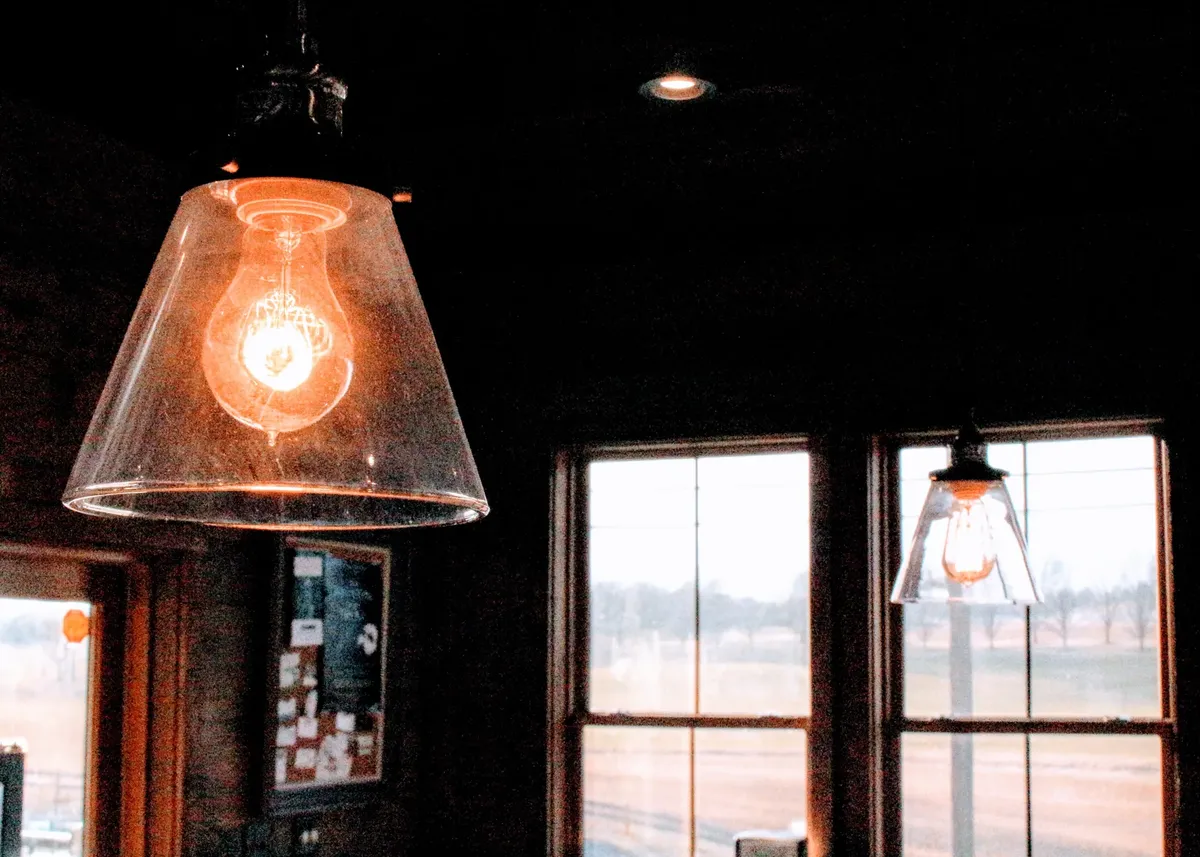
An old-fashioned bulb hangs from a ceiling, casting a warm but dim glow. These traditional fixtures represent a specific type of light emission that affects how we perceive color and depth.
Incandescent light bulbs are notable because they emit only around 10% of their energy as visible light, with the remainder being released as infrared. Using this specific type of bulb can create a cozy, albeit inefficient, atmosphere.
When you are layering light for home decor, this infrared output contributes to the heat of the room while providing a soft, yellow-toned visual. This characteristic makes them useful for low-level mood lighting but less effective for task-oriented brightness.
How does OLED technology affect lighting layering for mood?
A sleek, modern screen glows in a darkened room, producing sharp and vivid colors. This technology represents a significant leap from traditional lighting methods.
According to Yamagata University, the commercialization of OLED-backlit displays and lighting was achieved at Yamagata University, Japan in 1995.
In 1995, researchers at Yamagata University in Japan achieved the commercialization of OLED-backlit displays and lighting. This development changed how we think about integrated light sources.
Modern advancements, such as using a graded heterojunction architecture, have improved quantum efficiency up to 19% as of 2011. These technological shifts allow for thinner, more versatile lighting layers that can be integrated directly into furniture or wall panels.
What are the steps for managing light layers?
A designer sits at a desk, sketching out different lamp placements and brightness levels. They follow a structured approach to ensure the room does not feel washed out or too dark.

To effectively implement lighting layering for mood, follow these three steps:
- Identify the primary task areas that require high visibility. 2. Introduce ambient layers, such as dimmable bulbs or diffused panels, to fill the space. 3. Add accent layers using small, focused light sources to create depth.
After completing these steps, perform a final check by observing the shadows created in the corners of the room. If the transitions between light and dark are too harsh, adjust the intensity of your secondary sources.
I once tried this by replacing a single bright bulb with three smaller lamps, and the change in how the room felt was immediate.
- Identify the primary function of the space.
- Establish a base layer of ambient lighting.
- Add accent and task lighting to create depth.
How do different light sources compare?
A technician compares two different light panels side-by-side on a laboratory workbench. The comparison highlights the vast differences in efficiency and output.
| Light Source Type | Primary Energy Output Characteristic |
|---|---|
| Incandescent Bulbs | 10% visible light; remainder is infrared |
| Solar Radiation | 44% visible light reaching the ground |
The table shows that while solar radiation provides a massive amount of visible light, incandescent bulbs are much more limited in their visible output.
What are the limitations of light layering?
A person reaches for a switch, but the room remains dim because the light source is insufficient. Certain conditions can limit the effectiveness of any lighting strategy.
A significant limitation occurs when relying on low-efficiency sources for tasks requiring high clarity. For instance, because incandescent bulbs emit the majority of their energy as infrared, they may not provide enough usable brightness for detailed work.
This makes it difficult to achieve high-quality task lighting without adding supplemental sources.
Related
- Electric heater warm kitchen: How to guide cozy space
- How does the scale of a major retailer define the industry?
How does the composition of light influence the architectural feel of a space?
The composition of light dictates how the architect designs the emotional impact of a room. Visible light, which constitutes a portion of solar radiation reaching the ground, is what the human eye primarily interprets for ambiance.
Recognizing this ratio allows designers to strategically supplement natural illumination with artificial light sources.
The energy released by incandescent bulbs, where most energy is infrared, alters the perceived warmth of the light. This infrared emission contributes a thermal quality to the room, which complements the visual warmth provided by the bulb's low visible output.
The architect must consider this dual effect when setting the mood.
OLED technology allows for precise control over the visible light composition because it generates light directly. This capability enables the architect to achieve specific color compositions that mimic or enhance natural light qualities.
The integration of these advanced displays allows light to become a structural element of the design.
When should one prioritize ambient versus accent light in the design process?
One should prioritize ambient layers first to establish the foundational feeling of the room. Introducing these layers, such as diffused panels, fills the space uniformly, preventing stark contrasts. Accent layers should follow this foundational step to introduce visual interest and depth.
The architect uses accent lights to draw attention to specific features within the space. These focused light sources contrast against the broader ambient wash, thereby defining planes and textures. This layering technique ensures that the room feels complete, not merely illuminated.
If the initial ambient lighting proves too flat, the architect can introduce secondary sources to soften transitions. Adjusting the intensity of these secondary lights helps mitigate harsh shadows that can detract from the intended atmosphere.
This refinement process is crucial for the final architectural success of the lighting scheme.






Comments 0