Harvest tips: 8 hours Small space home harvest tips guide
"Small spaces do not mean small yields; they just require smarter placement and better timing."
Growing your own food in a limited area requires strategic sunlight management and temperature control to ensure a successful harvest. This guide covers how to select the right crops for your light levels, maintain ideal growing temperatures, and navigate local regulations.
You will learn how to maximize vertical space, manage light requirements, and check for legal restrictions before you plant.
How can I choose the right location for my plants?
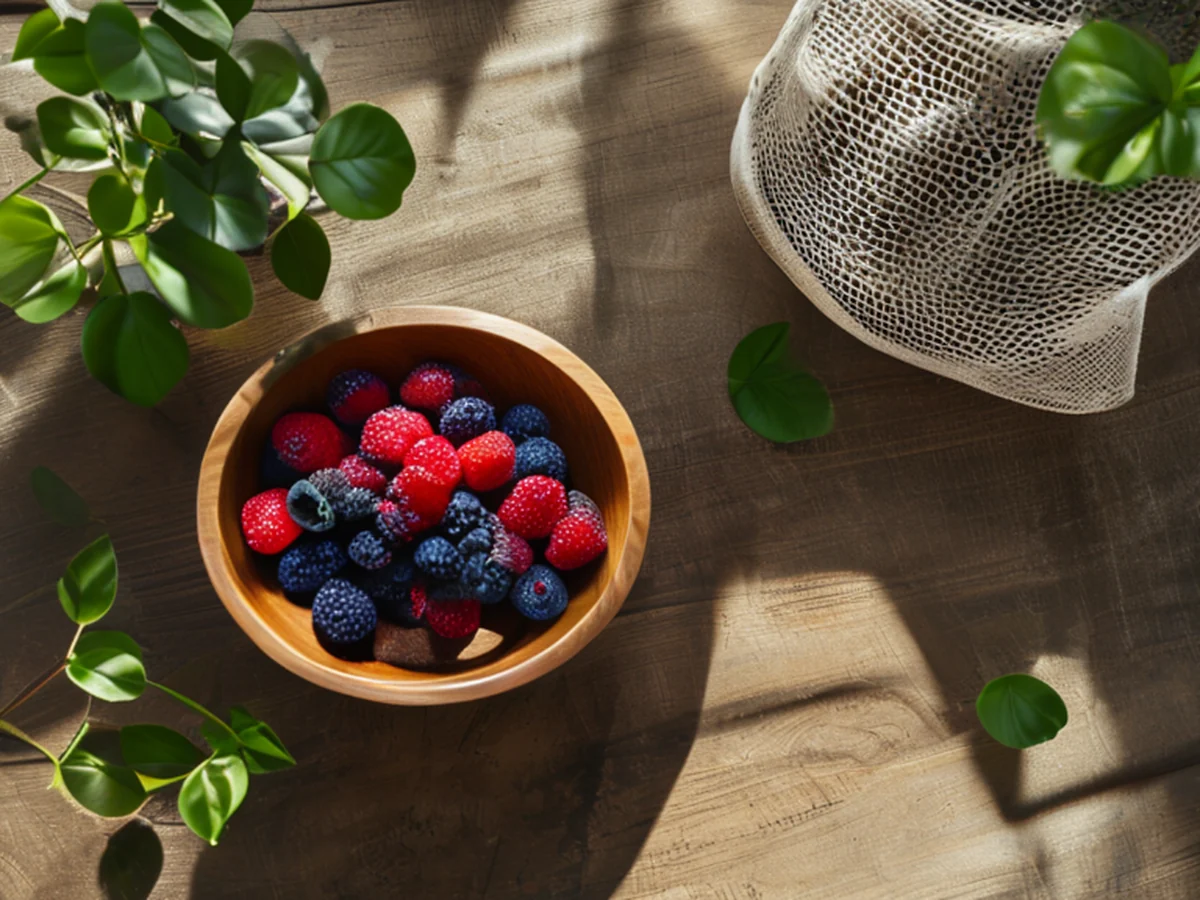
At noon, I squint against the bright sun on the balcony while scanning the shadows to find the perfect spot for a bountiful harvest.
A person stands on a sunny balcony, checking the movement of shadows across empty pots. Selecting a spot for your garden is the first step toward a successful harvest.
Location is considered essential because most commonly grown vegetables require 6–8 hours of sunlight per day, while leafy greens can tolerate partial shade. If you have a balcony or a windowsill, you must assess how much direct light hits that area each day.
If you find a dark corner, you might consider leafy greens instead of fruiting vegetables. Planning your planting layout around these light requirements ensures that every plant receives the energy it needs to produce food.
Observe the sunlight patterns in your space throughout the day to identify which areas receive direct sun and which remain in shade.
Check your local municipal codes and homeowner association rules regarding outdoor structures, garden height, or specific plant species.
How do I manage temperature for indoor or balcony plants? Small space home harvest tips
As dusk falls, I shiver in the cool breeze and pull the potted herbs closer to the warm window to protect the upcoming harvest.
A gardener wipes condensation from a glass window while checking the thermometer near a potted herb. Managing the environment is vital when growing in small, often enclosed, spaces.
Most plants thrive in temperatures between 18 and 24 °C during the day and slightly cooler at night. Maintaining this range helps prevent heat stress or stunted growth in containers.
If you are growing indoors, keep an eye on heater vents or drafty windows that might push temperatures outside this ideal range. Controlled environments allow for more consistent growth in tight quarters.
- Place sensitive plants away from direct drafts or heating vents.
- Use insulated planters to stabilize soil temperature.
- Monitor the air temperature regularly during seasonal changes.
What legal restrictions should I look out for?
A resident looks over a fence at a neatly manicured neighborhood garden, checking local guidelines. Before you bring soil into your living space or balcony, you must verify the rules of your residence.
In some parts of the world, particularly the United States, gardening can be restricted by law or by rules and regulations imposed by a Homeowners Association. These rules often dictate what can be grown or how much space can be used for greenery.
Always review your lease or community bylaws to avoid fines or the forced removal of your plants. Checking these regulations early prevents the heartbreak of losing a garden to local policy.
How can I maximize my harvest in a tiny space?
A person carefully arranges small ceramic pots on a narrow wooden shelf to make room for more greenery. Maximizing a small area requires a combination of verticality and plant selection.
To succeed in a tiny home, follow these steps:
- Identify your light levels to decide between sun-loving vegetables or shade-tolerant greens. 2. Use vertical shelving or hanging planters to utilize air space rather than just floor space. 3. Monitor daily temperatures to ensure they stay within the 18 to 24 °C daytime range.
I found that grouping plants by their water and light needs makes maintenance much easier in a small apartment. A final check of your local regulations ensures your new hobby remains uninterrupted.
Utilize vertical growing structures like trellises, wall-mounted planters, and tiered shelving to make the most of your footprint.
How do I prepare for potential food supply shifts?
A shopper looks at empty shelves in a grocery aisle, contemplating the value of their home garden. Growing food at home provides a layer of independence that traditional shopping cannot.
While grocery availability can fluctuate, having a small-scale harvest provides fresh ingredients on demand. For example, in April 2022, about 31% of grocery products were out of stock which is an 11% increase from November 2021.
A home garden acts as a personal supplement to the grocery store. Even a small balcony harvest can provide fresh greens when store shelves are unpredictable.
Focus on growing calorie-dense crops and maintain a rotating stock of seeds to ensure continuous planting cycles.
Comparison of Light Requirements
| Plant Type | Sunlight Requirement |
|---|---|
| Common Vegetables | 6–8 hours per day |
| Leafy Greens | Partial shade tolerance |
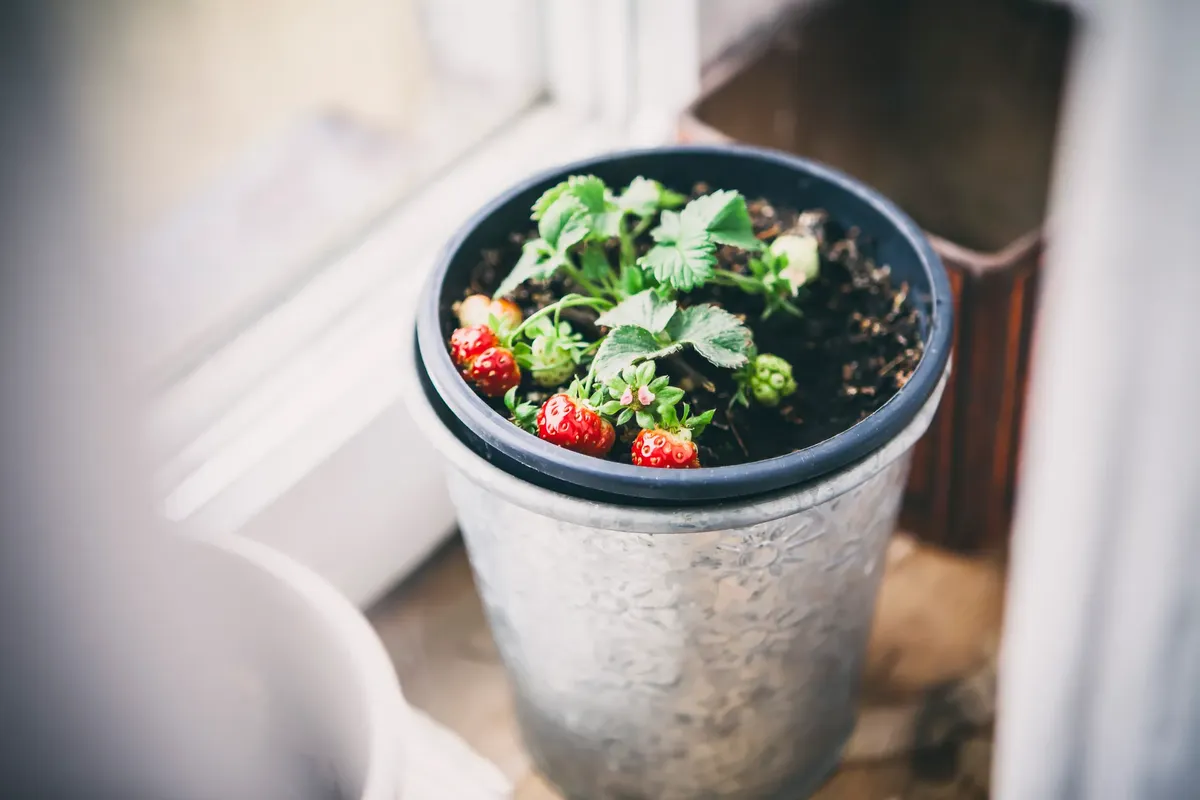
Group plants with similar light needs together to ensure optimal growth and prevent overexposure or insufficient light.
The subject here is Small space home harvest tips.
The same subject is also called Apartment vegetable gardening.
The same subject is also called Tiny home growing guide.
The same subject is also called Balcony harvest secrets.
The same subject is also called Indoor garden tips.
This part also covers Best vegetables for small spaces.
This part also covers Easy home harvest techniques.
This part also covers Maximizing small garden yield.
Best vegetables for small spaces
Related




Comments 0