Lighting layering for mood: Tips to manage brightness
"The sky above us is often lost to the glow of our own making, leaving the natural darkness behind."
Effective lighting layering for mood starts with understanding how much ambient light already exists in your environment. This guide helps you manage brightness to reclaim a sense of natural darkness and balance.
Key takeaways: * Recognize the impact of existing light pollution on your indoor environment. * Balance multiple light sources to prevent excessive skyglow. * Use layered techniques to control brightness levels effectively.
How does existing light pollution affect your room atmosphere lighting tips?
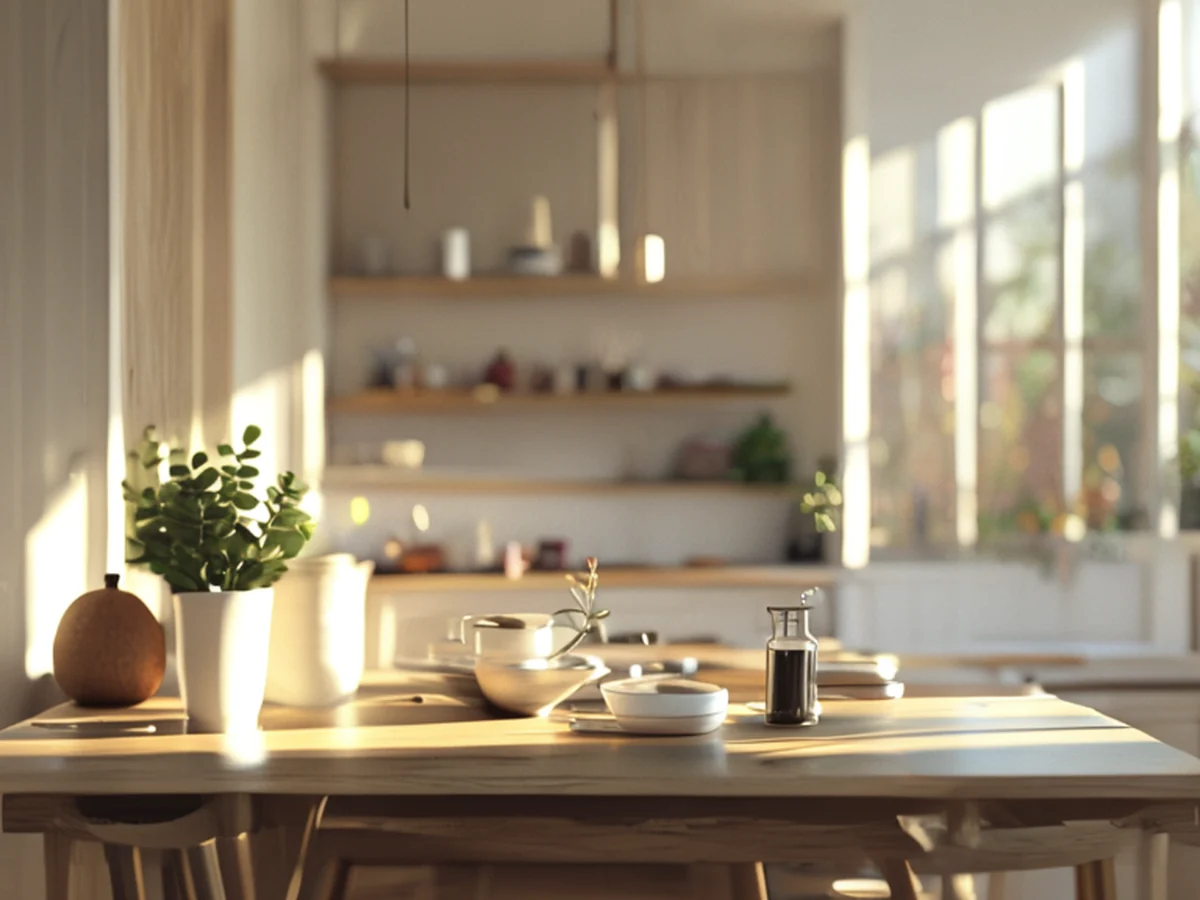
At midnight, I stare through the window at the orange glow from the street, feeling the harshness of the external lighting wash away the shadows in my bedroom.
A person stands by a window at night, looking up at a sky that feels too bright to see the stars. This constant brightness can disrupt the intended ambiance of a living space.
It has been estimated that 83% of the world's people live under light-polluted skies. This means much of the light we deal with in our homes is actually encroaching brightness from the outside world. When you try to implement room atmosphere lighting tips, you must first account for this baseline.
The brightness level from the outside can be significantly higher than natural darkness. For instance, it is noted that 83% of people, including 99% of Europeans and Americans, live under light-polluted skies that are more than 10% brighter than natural darkness.
This reality means your indoor lighting must be carefully layered to compete with or mitigate this external glow.
External light sources often wash out the subtle shadows needed for a cozy feel, making it difficult to establish a controlled environment.
Why should you learn how to layer lights to manage brightness?

During the evening, I reach for the switch to dim the lamp, feeling the warm sensation of soft lighting as I create a cozy corner in my living room.
A hand reaches for a dimmer switch, slowly lowering the intensity of a lamp to create a cozy corner. The goal is to find a balance between functional light and atmospheric mood.
Learning how to layer lights allows you to create depth and avoid the flat look of a single overhead source. Because much of our environment is already over-illuminated, managing your own light becomes an exercise in contrast.
The intensity of light in the atmosphere can vary wildly. Depending on local atmospheric transparency, light can be 40 times brighter than the darkest sky. Understanding these extremes helps you decide when to use soft accent lighting versus stronger task lighting.
Mastering layers allows you to balance functional visibility with soft, atmospheric glows that prevent a room from feeling flat.
Can you change mood with lights when the sky is too bright?
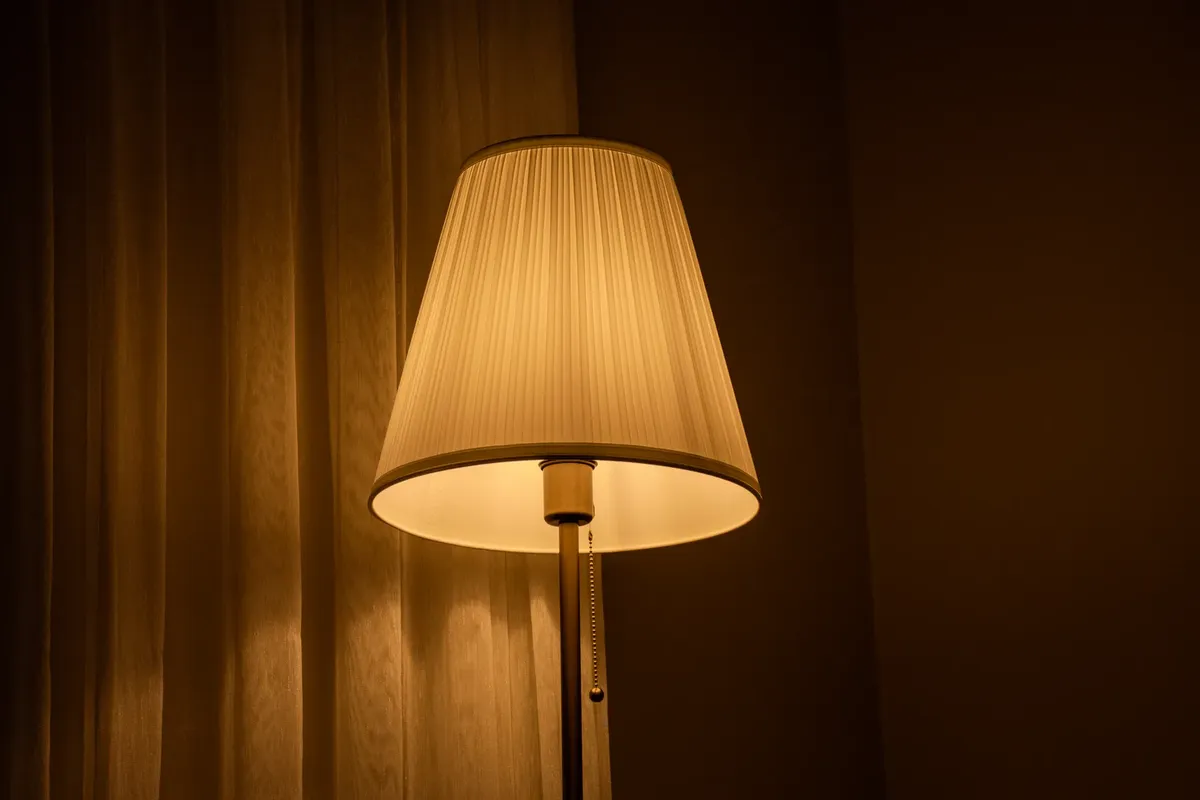
A person sits in a chair, watching the shifting shadows as a lamp is moved across the room. The interplay of light and shadow is the key to a successful transformation.
You can certainly change mood with lights even in highly illuminated areas by focusing on localized pools of light. Using focused sources allows you to create "dark" zones that mimic a natural nighttime environment.
In some areas, light levels can be as much as 100 times brighter than is natural. This makes effective light placement essential to ensure your indoor atmosphere is not washed out by the surrounding glow.
When ambient light from outside is overwhelming, you can shift the mood by using warmer, more directed light sources to reclaim the room's character.
What are the best lighting for ambiance techniques to use?
A hand adjusts a small desk lamp, casting a warm glow over a stack of books. This localized light creates an intimate space within a larger room.
The best lighting for ambiance involves using different types of light to serve different purposes. This prevents the "interrogation room" effect of a single bright bulb.

The impact of light can travel long distances, such as how the effects of light pollution in the area surrounding Madrid can be felt up to 100 km (62 mi) away from the center. Because light travels so easily, your indoor layering must be intentional to maintain a sense of privacy and mood.
- Introduce warm-toned accent lamps to create depth.
- Use dimmable bulbs to adjust intensity levels.
- Incorporate indirect lighting to soften harsh shadows.
How to implement effective light placement in a single room?
A person walks through a hallway, turning on various accent lights to guide the way. Each light serves a specific purpose, from visibility to decoration.
To achieve professional results, follow these steps for effective light placement:
- Identify primary light sources that provide general illumination for the entire space. 2. Add secondary task lighting for specific activities like reading or cooking. 3. Introduce accent lighting to highlight textures or decorative objects.
I remember adjusting the placement of a floor lamp to see how it changed the shadow patterns on the wall. After setting the layers, perform a final check by turning off the main overhead light to see if your accent and task lights provide enough functional visibility.

In this sequence, the second step is the most extensive.
What are the limitations of lighting layering for home?
A person looks at a bright city skyline through a window, realizing the light is too strong to overcome. Some environments present unique challenges to mood lighting.
One limitation is the sheer scale of external light. The growth of light pollution on the green band was 11% from 2012–2013 to 2014–2020, and 24% on the blue band. These shifting external levels can make it difficult to maintain a consistent indoor atmosphere.
Over-layering can lead to visual clutter, and excessive brightness from one source can still overpower even the most carefully placed accents.
Related
How can we use layering to counteract overwhelming ambient light?
Layering techniques allow you to introduce focused areas of low light, which helps counteract the pervasive glow from outside. When the sky above us is often bright, strategic placement of accent lighting can define intimate zones within a larger, illuminated room.
This localized control helps simulate the contrast found in natural darkness.
The contrast between your internal pools of light and the external brightness is what defines the successful mood. Because the external light levels can be substantial, your internal lighting must be deliberately contrasted against it.
This careful balancing act is central to reclaiming a sense of natural darkness indoors.
When considering the existing light pollution, remember that the brightness from outside can dramatically exceed what is natural. Therefore, using secondary and accent lights is a procedure to actively manage this external encroachment.
This layered approach moves beyond simply turning lights on or off.
What precautions should be taken when balancing internal and external light?
A caution when managing brightness is to ensure that the functional light does not become the dominant element. If task lighting overwhelms the atmosphere, the intended mood is lost despite careful layering.
You must always check if the accent lights provide sufficient visual guidance when the main sources are dimmed.
Another condition to observe is the intensity variation of the atmosphere itself. Since light can be extremely bright depending on local conditions, your layering strategy must be flexible. This flexibility allows you to adjust your indoor setup when the external glow changes significantly.
The process of creating depth requires acknowledging the existing light pollution. Since much of the light we deal with is encroaching brightness from the outside world, your indoor lighting must be designed to compete with that baseline.
This awareness guides the selection of appropriate light types for each layer.





Comments 0