Electric heater warm decor ideas: Why manage heat transfer
"The warmth of a home is more than just a temperature setting; it is the atmosphere we cultivate through thoughtful energy use and design."
Creating a cozy atmosphere through electric heater warm decor ideas requires balancing thermal efficiency with aesthetic comfort. This guide explores how to manage heat transfer and energy use to maintain a pleasant living space.
You will learn how to manage efficiency, handle temperature fluctuations, and understand the limitations of resistive heating.
How can I achieve efficient electric heater warm decor ideas?
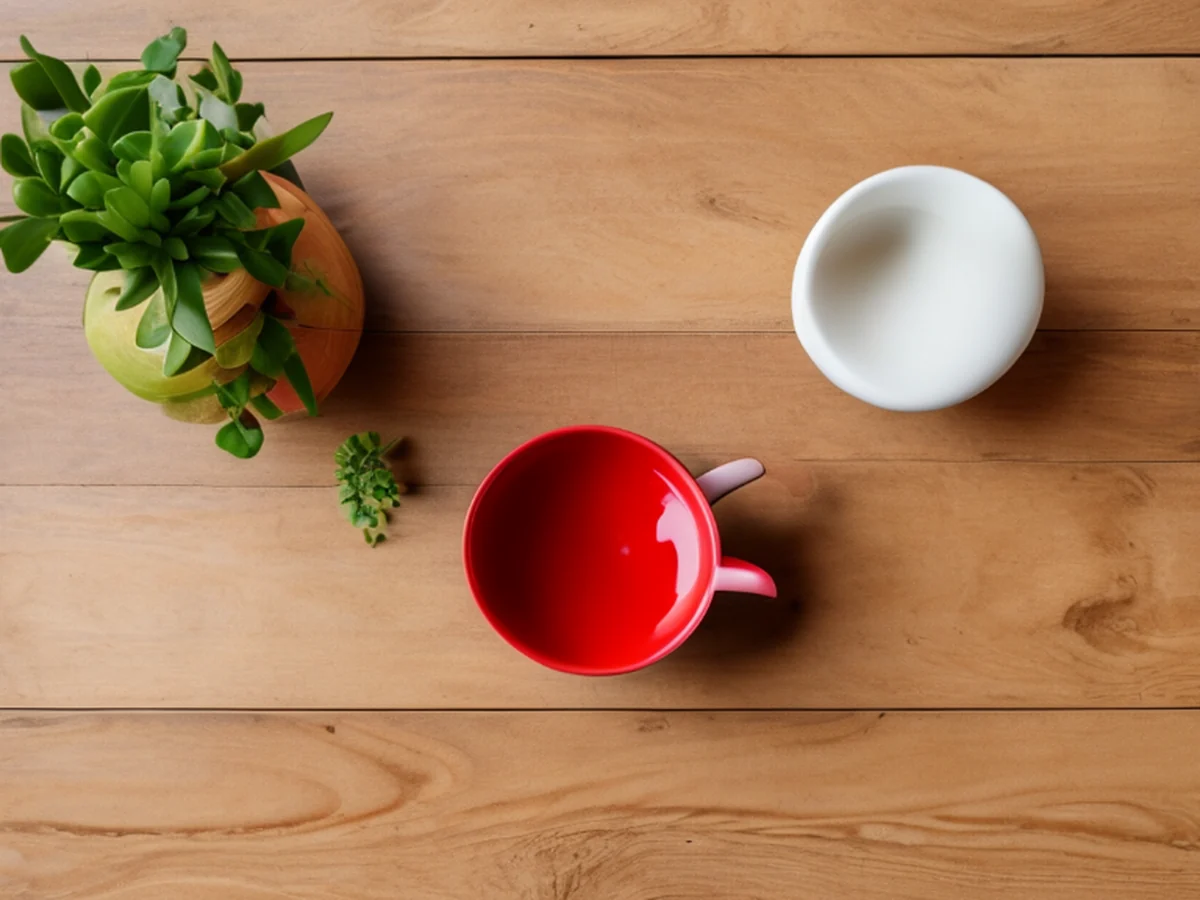
A hand reaches for the thermostat to adjust the warmth in a quiet living room. To create a cozy heater interior design, one must understand that an electric heater is 100 percent efficient because all purchased energy is converted to heat.
This means every bit of electricity used is transformed into thermal energy within the medium.
According to the US EPA, geothermal heat pumps can reduce energy consumption up to 44% compared with air source heat pumps and up to 72% compared with electric resistance heating.
While electric heaters convert energy perfectly, the fuel needed to produce that heat is often more than if the fuel were burned in a furnace or boiler at the building being heated. Managing this balance is key to a stylish heater room setup.
What are the best ways to manage temperature for a warm space with efficient electric heat?
As morning light floods the kitchen, I lean against the counter and feel the steady warmth radiating from the electric heater.
A person sits on a sofa, feeling the gentle shift in air temperature as the heater hums. For a warm space with electric heat, understanding different heating technologies helps in planning a room layout.
A heat pump can achieve around 150% – 600% efficiency for heating, or a COP of 1.5 - 6.0, because it uses electric power only for transferring existing thermal energy.
In contrast, traditional electric resistance heating relies on direct conversion. While the efficiency is 100%, the cost and energy input vary significantly between systems. Using heat pumps can cut the electricity consumption to as little as 35% of that used by resistive heating.
This efficiency allows for more flexibility when designing a room around heating elements.
How can I maintain comfort levels in a room?
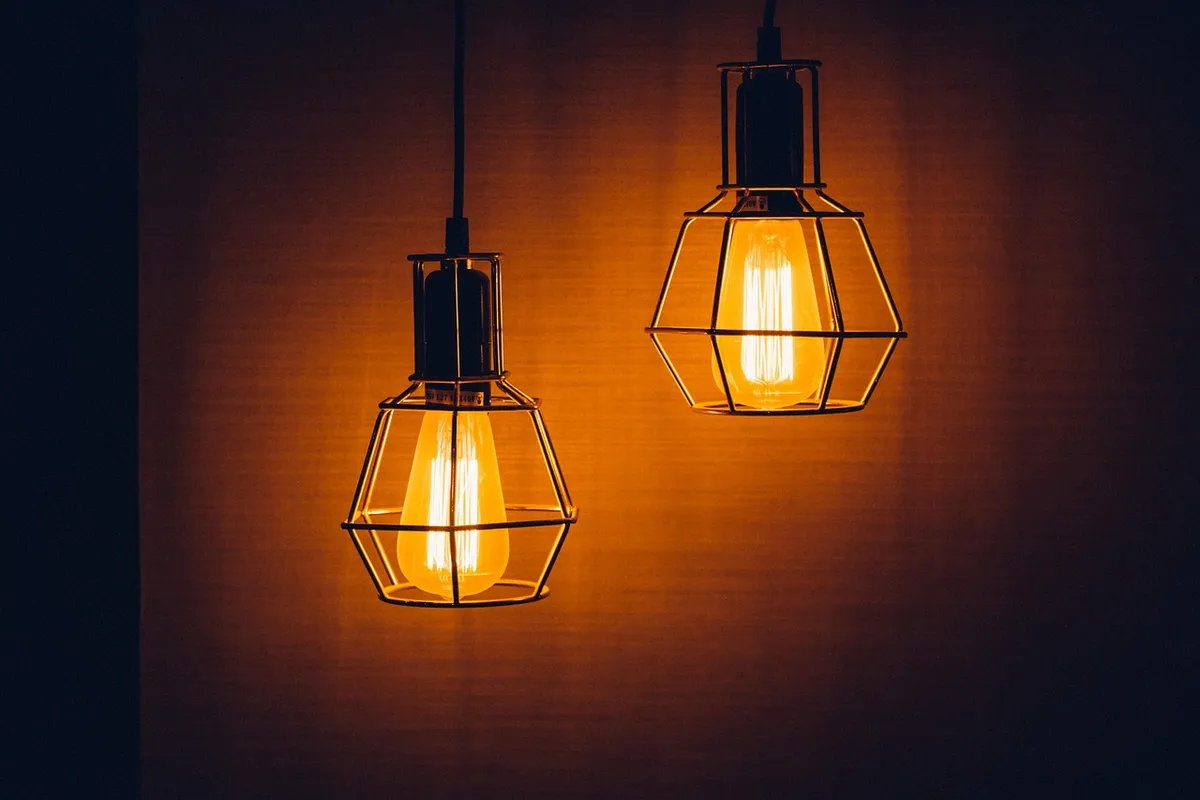
A finger adjusts a dial, setting the temperature for a peak afternoon period. Creating warm stylish rooms often involves managing specific time-based temperature needs.
During low-use periods, a "monitor" level of heat, such as 50 °F or 10 °C, is provided by the central heating system to maintain a baseline.
During peak use times, such as the hours between 11:00 and 14:00, spaces are typically heated to "comfort levels" of 70 °F or 21 °C. This adjustment ensures the environment remains pleasant during the busiest parts of the day.
Balancing these two levels helps maintain a consistent atmosphere without excessive energy waste.
What are the limitations of different heating systems?
An empty hallway stays cool while the living room remains warm. When comparing different methods, it is important to note that compared to convection heating systems, air temperatures may be lowered by up to 3 degrees based on academic research.
This can affect how much decor or furniture is needed to maintain the feeling of warmth.
| Heating Type | Efficiency Characteristic |
|---|---|
| Electric Resistance | 100% efficient conversion |
| Heat Pump | 150% – 600% efficiency |
I noticed that while the electric heater is 100% efficient, the actual cost of electricity can be 2-3 times that of burning fuel due to high capital costs. This reality must be considered when choosing between different heating methods for home decor.
How do I implement these heating steps?
A checklist sits on a wooden table next to a small space heater. To integrate these elements into your home, follow these steps:
- Identify the primary heating method, such as a heat pump or electric resistance, to understand the energy profile of your space. 2. Set baseline "monitor" levels for low-use periods and "comfort" levels for peak hours to manage energy and temperature. 3. Arrange furniture to account for the 3-degree temperature variance seen in some convection-based systems.
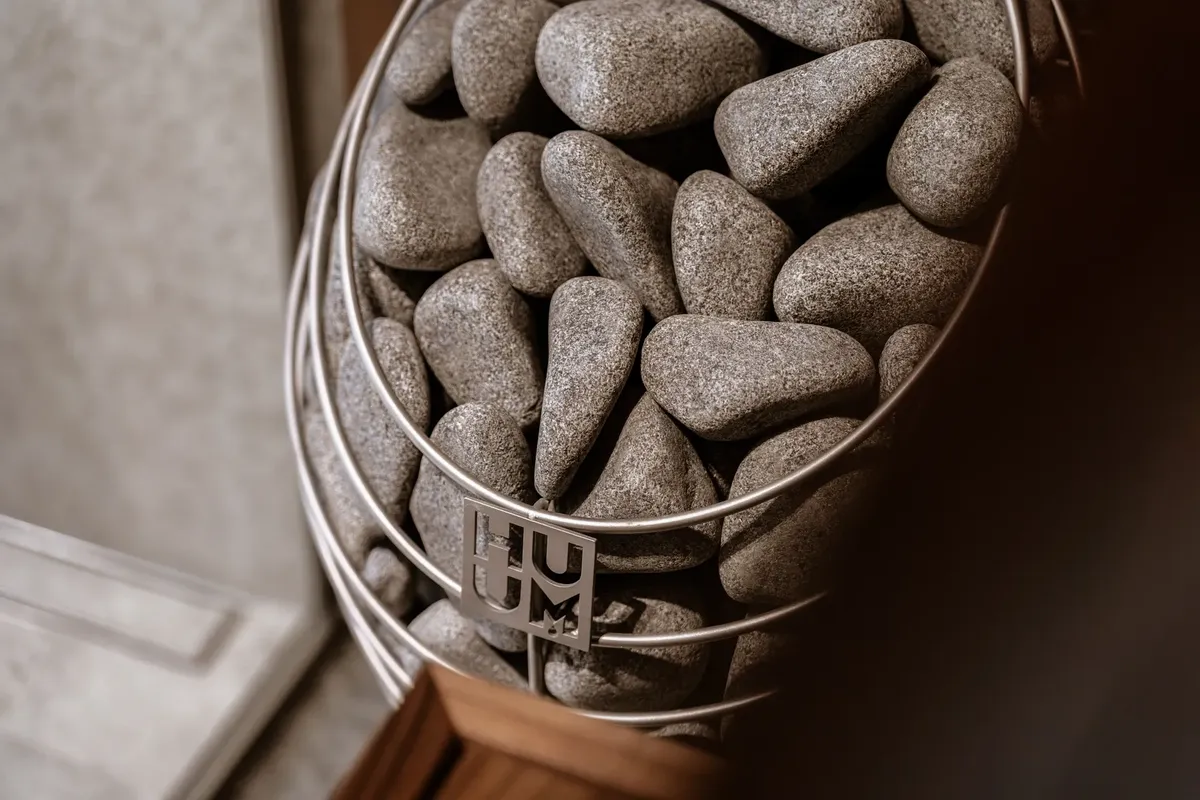
Always perform a final check to ensure that the heat is being transferred effectively into the medium and that the energy costs align with your budget.
- How can I achieve efficient electric heater warm decor ideas?
- What are the best ways to manage temperature for a warm space with efficient electric heat?
- How can I maintain comfort levels in a room?
The subject here is Electric heater warm decor ideas.
The same subject is also called Efficient warm home decor.
This part also covers Best electric heater for ambiance.
This part also covers Save energy with heater decor.
Best electric heater for ambiance
Related
- Solar power for home: Home power plant setup guide tips
- Upcycle furniture ideas: Tips for recycling old furniture
What factors influence the warmth of a home?
The warmth of a home depends on how energy is converted and transferred within the living space.
When comparing heating methods, one must consider that electric resistance heating provides 100% efficiency through direct conversion, while heat pumps achieve higher efficiency by transferring existing thermal energy.
This distinction between direct conversion and energy transfer affects how much electricity is consumed to maintain a specific temperature.
When managing a room, one must account for the difference between monitor levels and comfort levels. A monitor level of 50 °F or 10 °C serves as a baseline during low-use periods, whereas comfort levels of 70 °F or 21 °C are set for peak hours between 11:00 and 14:00.
Comparing these settings helps in managing the balance between energy use and the desired atmosphere.
Always remain cautious of the cost implications when choosing between heating technologies. While an electric heater is 100% efficient, the cost of electricity can be 2-3 times higher than burning fuel.
Additionally, be aware that air temperatures may be lowered by up to 3 degrees compared to convection heating systems, which requires careful furniture arrangement to maintain comfort.





Comments 0