Lighting Basics: Transform Your Home Mood with Bulb Choice
"Lighting is the silent architect of a room's mood."
If you want to change the feel of your home without moving a single piece of furniture, stop looking at your rugs and start looking at your ceiling. By mastering the art of light layering and bulb selection, you can transform a cold, sterile apartment into a cozy sanctuary in a single afternoon.
* Layer Your Light: Combine ambient, task, and accent lighting to create depth. * Bulb Choice is Key: Color temperature (Kelvin) dictates the mood more than the fixture itself. * Safety is Non-Negotiable: Know when to swap a bulb and when to call a licensed electrician.
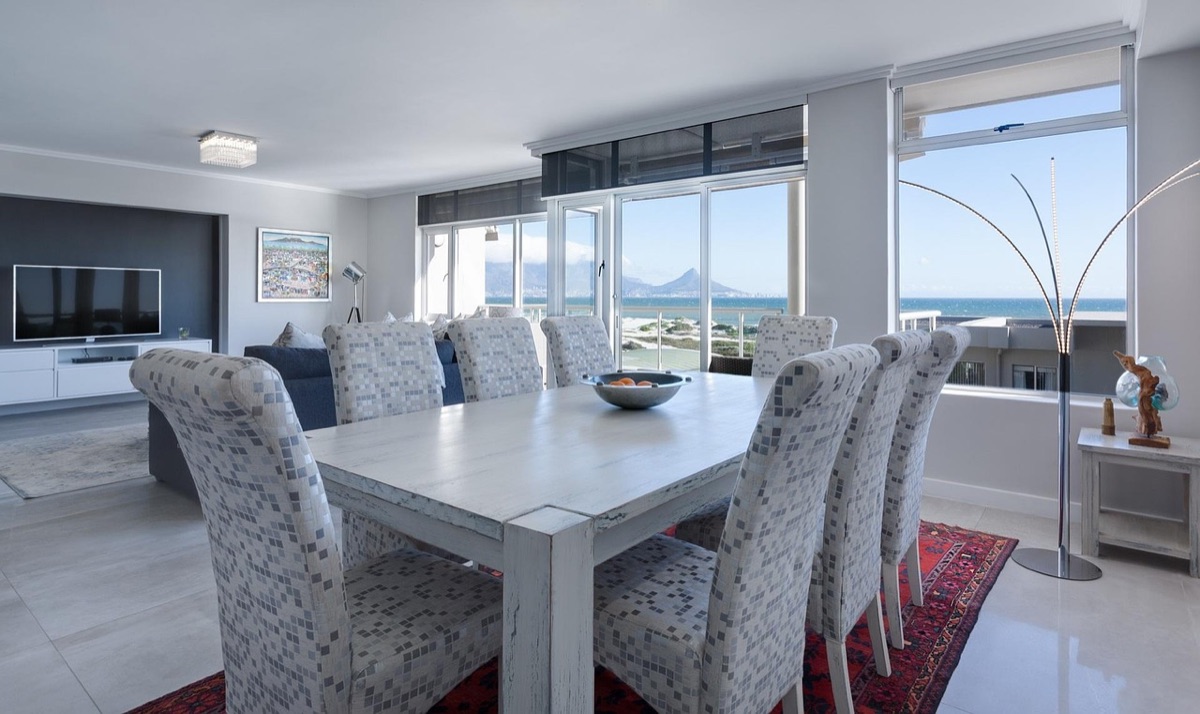
What kind of lighting should I buy? I remember standing in the middle of my first studio apartment on a rainy Tuesday in 2024, staring at a single, buzzing fluorescent tube on the ceiling. It made my living space feel like a hospital hallway, no matter how many plants I bought.
I realized then that you can't decorate your way out of bad lighting.
The first step is defining function versus form. In a kitchen, you need task lighting—bright, clear light for chopping vegetables. In a living room, you need ambient lighting to set a relaxed tone.
If you try to use a heavy, dim chandelier as your only light source in a kitchen, you'll find yourself squinting over your dinner plate.
Understanding the Kelvin scale is the secret weapon of professional designers. Color temperature is measured in Kelvin (K). A lower number, like 2700K, produces a warm, golden glow perfect for bedrooms and living rooms.
A higher number, like 5000K, produces a crisp, blue-white light ideal for garages or high-focus workspaces. For most residential living areas, 3000K is the "sweet spot"—it is warm enough to be cozy but clear enough to see colors accurately.
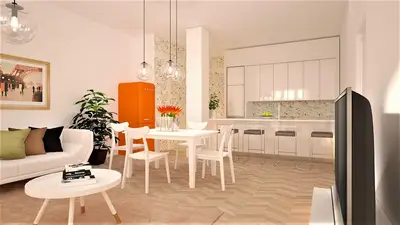
When selecting fixtures, scale matters. A massive pendant light will overwhelm a small breakfast nook, while tiny flush mounts can look lost in a high-ceilinged great room. Always consider the footprint of the fixture against the dimensions of the room before pulling the trigger on a purchase.
But even with the perfect bulb, the physical installation can go wrong fast.

Can I actually install this myself? I once watched a friend attempt to install a heavy, modern Sputnik chandelier in a rental apartment in late 2025 without checking the ceiling joists. The fixture ended up pulling a chunk of drywall down with it. It was a mess of dust, wires, and wasted money.
To avoid this, you must categorize your projects by skill level.
- Beginner (Plug-and-Play): This includes replacing light bulbs, swapping out lampshades, or plugging in new floor lamps. These are zero-risk moves that provide instant results.
- Intermediate (The Swap): Replacing a basic flush mount fixture or hanging a simple pendant. This requires a ladder, a screwdriver, and the ability to identify which wire is which. You must ensure the mounting bracket is secured to a solid surface, not just thin drywall.
- Advanced (The Hardwire): Installing track lighting, recessed cans, or complex multi-bulb chandeliers.
For advanced tasks, the stakes are higher. If you are moving a junction box or adding new wiring, the safest route is to hire a professional. While some estimates suggest that 40% of construction projects are now fast-track construction, even fast-track projects require electrical integrity.
If you are unsure, remember that hiring a licensed general contractor is recommended, as they typically charge 10% to 20% of the total building cost, but that cost covers the peace of mind that your house won't burn down.
The Golden Rule of DIY Electrical: Always turn off the power at the breaker box before touching any wiring. Testing the switch is not enough; you must ensure the circuit is dead.
However, knowing how to hang a light is only half the battle; you also have to know how to use it.
Mastering the Layers for Professional Ambiance
Walking into a high-end hotel in downtown Chicago, you notice you are never blinded by a single, massive light source. Instead, the light seems to "bloom" from different corners of the room. This is the power of layering.
To replicate this, you need three distinct layers:
* The Ambient Layer: This is your base layer, usually provided by ceiling fixtures or large floor lamps. It provides general visibility. To keep this from feeling harsh, use dimmers. * The Task Layer: This is functional light. Think of a sleek desk lamp for your home office, under-cabinet LED strips in the kitchen, or a reading light next to a lounge chair. * The Accent Layer: This is the "jewelry" of the room. It includes picture lights over artwork, small spotlights on a large indoor plant, or even a dim candle on a side table.
The "Turn it Down" rule is a simple way to practice this. If a room feels cold, turn off the main overhead light (the ambient layer) and turn on two warm-toned lamps (the accent/task layers). The shift in atmosphere is instantaneous.
| Layer Type | Primary Purpose | Example Fixture |
|---|---|---|
| Ambient | Overall visibility | Flush mounts, Chandeliers |
| Task | Focused work/activity | Desk lamps, Under-cabinet lights |
| expert Accent | Visual interest/Drama | Picture lights, Uplights |
But even with layers, there are hidden traps that can ruin the look.

Why Does the Room Still Feel "Off"?
I once visited a client's home in 2025 where the living room felt strangely small and cramped. Despite the large windows, the room felt "heavy." It turned out they had installed massive, low-hanging pendant lights in a room with standard 8-foot ceilings.
Avoid the "Too Bright" mistake. Over-lighting a small space makes it feel clinical, like an office or a retail store, rather than a home. If you find yourself squinting or feeling exposed, you have too much light or the light is too high-intensity.
Another critical factor is the Color Rendering Index (CRI). This is a scale from 0 to 100 that measures how accurately a light source reveals the true colors of objects. Cheap, low-CRI bulbs can make your expensive navy blue sofa look like a muddy grey.
When buying bulbs, look for a high CRI (90 or above) to ensure your furniture and paint colors look exactly as intended.
Finally, pay attention to fixture placement. If you hang a pendant too low over a dining table, it creates a visual barrier that makes conversation difficult. If you hang it too high, it loses its impact. Aim for a height that feels intentional—usually 30 to 36 inches above the tabletop.
This is where many people realize they've made a mistake they can't easily fix.
Common Pitfalls and Pro Tips
I once visited a client's home where the living room felt strangely small and cramped. Despite the large windows, the room felt "heavy." It turned out they had installed massive, low-hanging pendant lights in a room with standard 8-foot ceilings.
Avoid the "Too Bright" mistake. Over-lighting a small space makes it feel clinical, like an office or a retail store, rather than a home. If you find yourself squinting or feeling exposed, you have too much light or the light is too high-intensity.
Another critical factor is the Color Rendering Index (CRI). This is a scale from 0 to 100 that measures how accurately a light source reveals the true colors of objects. Cheap, low-CRI bulbs can make your expensive navy blue sofa look like a muddy grey.
When buying bulbs, look for a high CRI (90 or above) to ensure your furniture and paint colors look exactly as intended.
Finally, pay attention to fixture placement. If you hang a pendant too low over a dining table, it creates a visual barrier that makes conversation difficult. If you hang it too high, it loses its impact. Aim for a height that feels intentional—usually 30 to 36 inches above the tabletop.
*Note: Lighting design is subjective. What feels cozy in a cottage may feel dim in a modern loft, and these tips are intended for standard residential settings.*







Comments 0