Recycle items space use guide: Tips for home storage
"The shift from clutter to purpose often begins with the items we once considered disposable."
Effective space management through recycling requires a shift in perspective toward repurposing household waste into functional organizers.
This guide explores how to transform common items into storage solutions, provides practical steps for upcycling, and addresses the limitations of using non-durable materials.
How can we start a recycle items space use guide?
In the quiet morning light of the kitchen, I run my fingers over smooth glass while preparing to write a guide to recycle items for better space use.
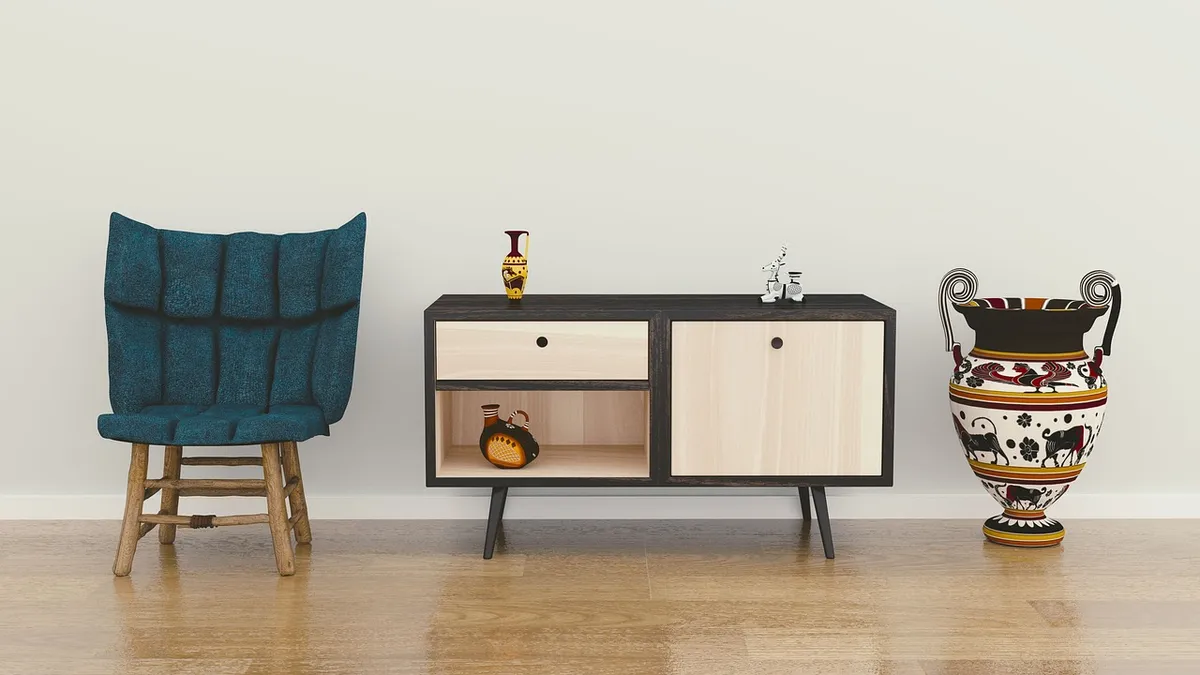
A person stands in a sunlit kitchen, holding an empty glass jar and looking at a cluttered countertop. They carefully wash the container, feeling the smooth texture of the glass, and prepare to turn it into a pen holder.
To begin a recycle items space use guide, one must first audit the waste produced in a typical household. Sorting items by material—such as glass, cardboard, or plastic—allows for a better understanding of their potential structural roles.
This initial stage of sorting prevents the accumulation of useless junk while identifying the best candidates for repurposing.
Begin by sorting your reusable materials into categories like paper, glass, and plastic to understand what supplies you have available for repurposing.
How can I upcycle items for home storage? An individual sits on a living room floor, surrounded by various cardboard boxes of different sizes. They carefully cut the sides of a sturdy box to create a multi-compartment organizer for small desk supplies.
Upcycle home storage ideas often focus on utilizing the natural shapes of discarded packaging to create order. Cardboard boxes can be reinforced or decorated to serve as drawer dividers, while plastic containers can be repurposed as seedling trays or desk organizers.
Using these items effectively requires matching the container's volume to the items being stored to avoid creating more clutter.
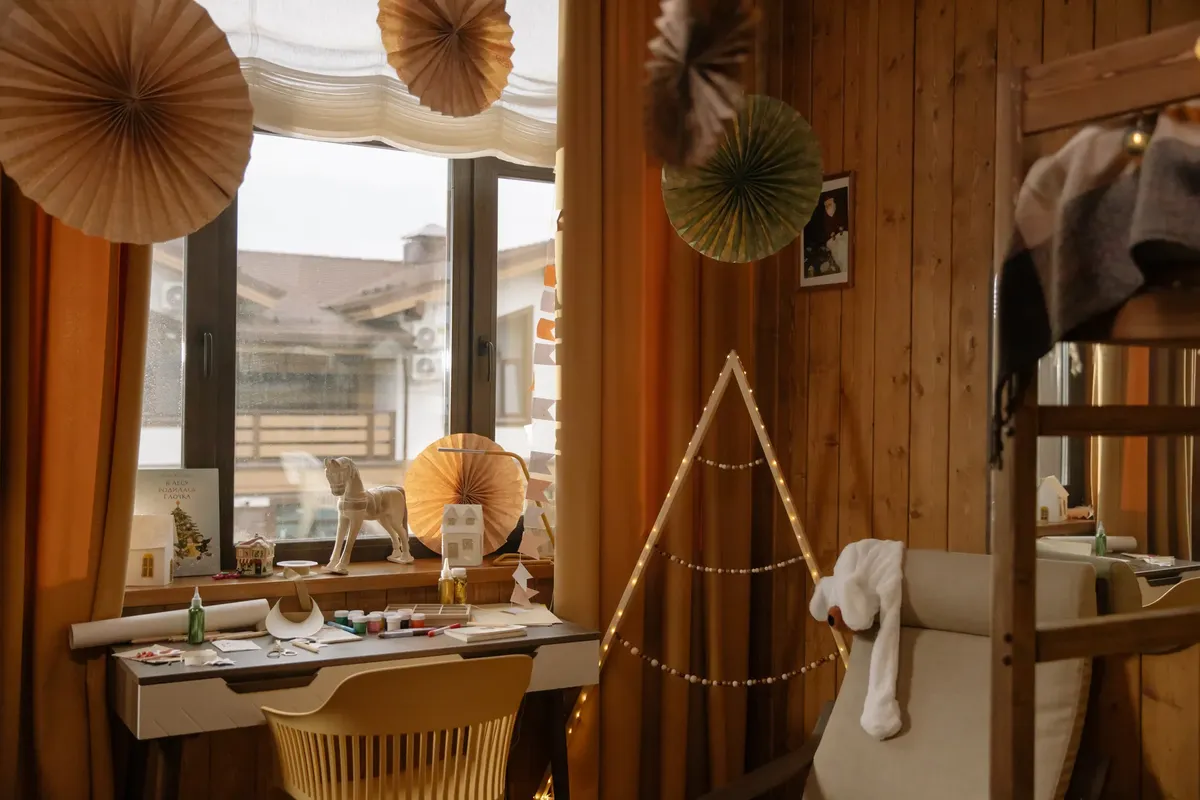
Transform old wooden crates into modular shelving units or use empty glass jars to organize small office supplies on a desk.
Can I use natural materials to save space? A gardener reaches for a collection of empty tin cans, wiping away the dust to reveal a clean surface. They place the cans on a wooden shelf, intending to use them for organizing small gardening tools.
Natural material space hacks involve using organic or durable waste to enhance the aesthetic and functional value of a room. For example, glass jars can be used to store dry goods or office supplies, providing a clear view of the contents.
Using these materials effectively helps maintain a cohesive look while maximizing the utility of vertical and horizontal surfaces throughout the home.
Utilize woven baskets or driftwood to create organic-looking organizers that add texture to your living space.
Is DIY reuse for small rooms possible?
A resident of a compact apartment carefully measures a wooden crate, deciding where it will fit against a narrow wall. They place the crate on the floor, feeling the weight of the sturdy wood as they prepare to use it as a side table.
DIY reuse for small rooms is a practical way to manage limited square footage without purchasing bulky furniture. Small items like shoe boxes can be turned into wall-mounted organizers, and larger crates can serve as modular shelving units.
These solutions help maximize space by utilizing corners and vertical areas that are often overlooked in smaller living environments.
Yes, vertical repurposing is key in tight quarters; use wall-mounted containers made from reclaimed wood to save precious floor space.
What are the best ways to use trash items for organization?
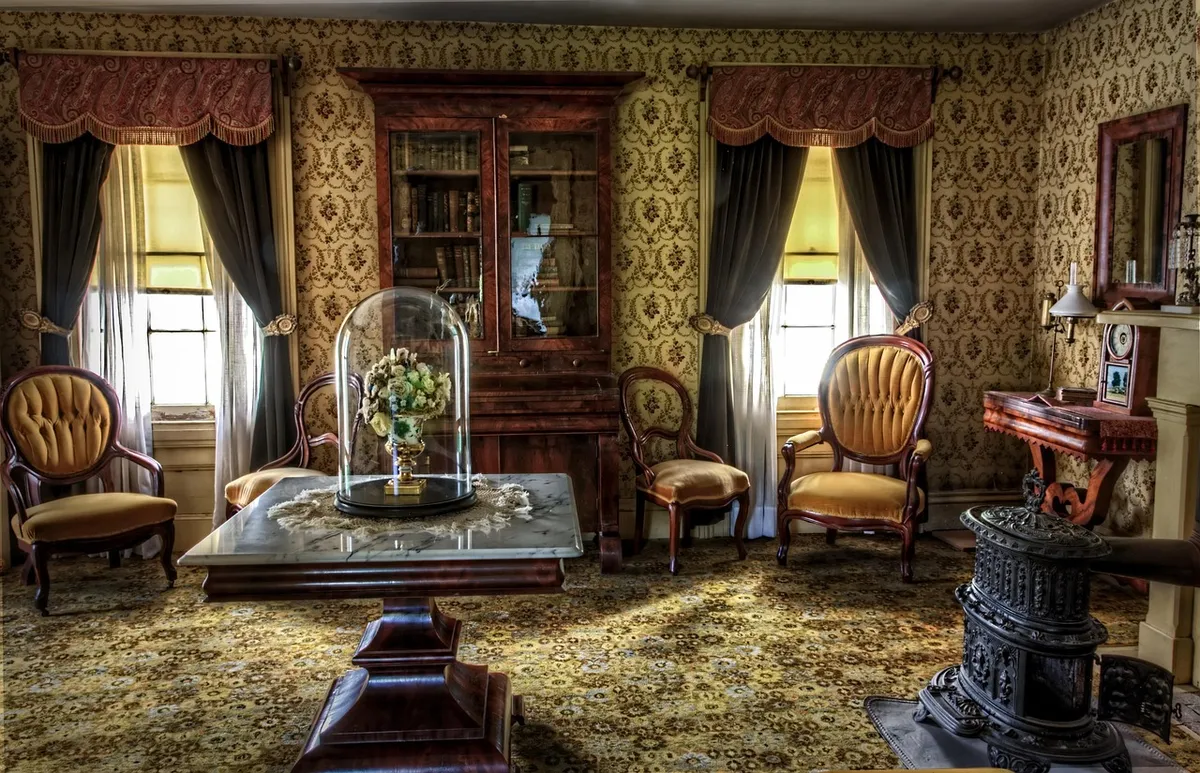
A person picks up a stack of empty toilet paper rolls, looking at them as potential cord organizers. They group the rolls together, preparing to slide tangled cables into each tube to keep them neat.
The best ways to use trash items for organization involve turning irregular shapes into structured holders. Empty bottles can be cut to create scoops or small bins, while plastic containers can be stacked to create tiered shelving.
Success depends on cleaning the items thoroughly and ensuring they are structurally sound enough to hold the intended weight.
Empty cardboard boxes can be wrapped in fabric to create stylish bins, while tin cans can be cleaned and painted to hold pens or utensils.
Efficient home recycling decor: a three-step process
A decorator gathers various empty glass bottles and begins cleaning them to prepare for a centerpiece. They line the bottles up on a windowsill, feeling the light pass through the clear glass.
Achieving efficient home recycling decor requires a methodical approach to ensure the end result is both useful and attractive.
- Clean and sanitize all items to remove any residue or odors that could affect the indoor environment. 2. Evaluate the durability of the material to ensure it can withstand the intended use in a high-traffic area. 3. Decorate or reinforce the item to match the existing aesthetic of the room while maintaining its function.
Final check: Ensure that the repurposed item does not create a tripping hazard or obstruct walking paths in the room.
| Item Type | Primary Use Case |
|---|---|
| Glass Jars | Small Object Storage |
| Cardboard Boxes | Drawer Dividers |

I found that using these steps allowed me to organize my desk using only items I had intended to throw away.
A limitation of this approach is that repurposed items may not have the same weight-bearing capacity as purpose-built furniture, making them unsuitable for heavy objects.
- Clean and prep your reclaimed materials to ensure they are safe for indoor use.
- Modify the items to fit your specific storage needs, such as cutting or painting.
- Integrate the finished pieces into your home decor to blend functionality with style.
This part also covers Creative storage from waste.
This part also covers Maximizing space with reuse.
Related
- Fridge substitute ideas: Guide to manual cooling methods
- Harvest tips: 8 hours Small space home harvest tips guide
When should we reconsider the initial shift from clutter to purpose? This reconsideration should occur when the initial organization method fails to maintain order or when the repurposed items begin to degrade. If the chosen storage solution does not effectively manage the existing clutter, a different material or design approach should be attempted. The effectiveness of the shift depends on the sustained utility of the resulting organization system.
What are the conditions for successful DIY reuse? Successful DIY reuse hinges on a thorough initial audit of the waste and a careful matching of the container's volume to the stored items. Furthermore, the structural integrity of the repurposed item must be verified before placing any weight upon it. This careful evaluation prevents the creation of new clutter from unstable arrangements.
The condition for using natural material space hacks effectively involves maintaining a cohesive visual theme throughout the room. This aesthetic consideration complements the functional aspect of maximizing utility on available surfaces.
When transforming trash items for organization, cleaning the items thoroughly is a prerequisite for successful implementation. This step ensures that the repurposed holders remain sanitary for their intended purpose.





Comments 0