Lighting Design: 3 Layer Rules to Transform Your Home
"Stop buying expensive furniture; start mastering the light—the single most cost-effective way to rewrite your home's DNA without touching a single wall."
To transform your space without a contractor, you must move away from single overhead bulbs and embrace the three-layer system of ambient, task, and accent lighting.
By mastering color temperature—using warm 2700K for relaxation and neutral 4000K for work—you can create depth through intentional shadows. This budget-friendly formula allows renters and homeowners alike to bypass expensive remodeling through strategic placement.
* Layering is King: Move away from single overhead lights to a three-layer system (Ambient, Task, Accent). * The Kelvin Rule: Use 2700K–3000K for relaxation and 4000K–5000K for productivity. * Shadow Play: The secret to "expensive-looking" homes isn't brightness, but the intentional placement of shadows. * Zero-Construction Fixes: Use plug-in sconces and LED strips to bypass landlord restrictions.

How can I change my room's vibe without remodeling?
I sat in my living room last Tuesday at 8:00 PM, staring at the harsh, clinical glare of a single large ceiling fixture. The room felt like a doctor's office—flat, cold, and utterly uninviting—despite the expensive velvet sofa I had bought just weeks prior.
The "Death of the Ceiling-Only Habit" is the first lesson in professional styling. Relying solely on a central LED panel makes a room feel two-dimensional because it washes out all texture and depth.
To fix this, you must implement the "Three-Layer Rule." This consists of Ambient lighting (general illumination), Task lighting (focused light for reading or cooking), and Accent lighting (mood-setting glows).
A balanced budget ratio for a well-proportioned room is roughly 40% Ambient, 40% Task, and 20% Accent. To master the atmosphere, you must also understand Color Temperature, measured in Kelvin (K). For bedrooms and living rooms where you want to unwind, stick to 2750K to 3000K (Warm White/Yellow).
For kitchens or reading nooks where clarity is needed, 4000K (Natural White) is the sweet spot.
When you stop treating your ceiling as your only light source, the room begins to breathe.
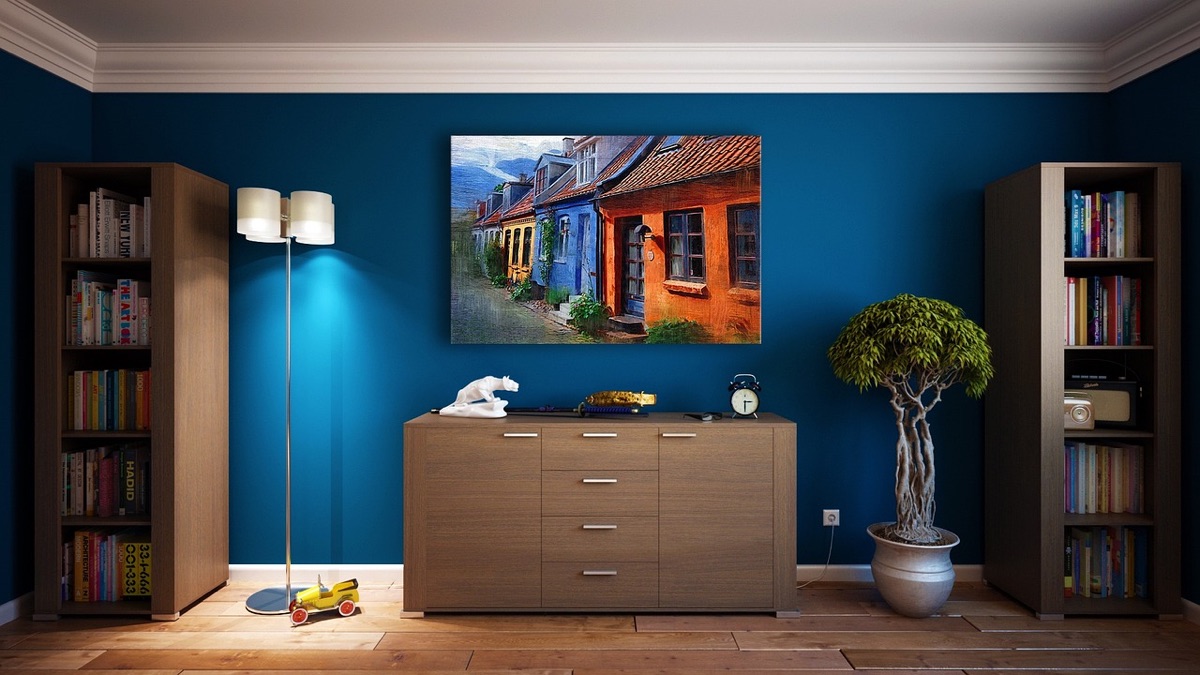
What is the step-by-step formula for "Atmospheric Lighting"?
I once walked into a boutique hotel in Manhattan where the lobby felt warm and expensive, even though the furniture was relatively modest. After observing the placement, I realized they weren't just "turning on the lights"; they were managing the darkness.
To replicate that professional look in your own home, follow this four-step formula:
- Identify the Focal Point: Pick one area—a large fiddle-leaf fig plant, a piece of framed art, or a textured coffee table—to be the "star."
- Eliminate "Flat Light": Turn off the main ceiling light. Introduce low-level sources like floor lamps or table lamps to create immediate warmth. 3. The Eye-Level Rule: Place light sources at different heights. A tall floor lamp, a medium-height table lamp, and a low candle or puck light create a visual hierarchy that makes a room feel larger. 4. Shadow Management: Position lights so they cast soft, intentional shadows. This hides imperfections in walls or furniture and adds a sense of mystery and luxury.
By creating these "pockets" of light, you guide the eye through the room rather than overwhelming it with a single blast of brightness.
How do I use LED strips and indirect lighting for a luxury feel?
I spent an entire Saturday afternoon taping LED strips to the underside of my IKEA desk, only to realize the "beady" blue light looked cheap and amateurish. It was a harsh lesson in the importance of diffusion.
To achieve a high-end, "floating" effect, use the "Hidden Source" technique. Place LED strips behind TV consoles, under bed frames, or behind desks. The goal is to see the glow, not the bulb. Always use aluminum profiles or frosted covers—never leave the exposed LED "beads" visible to the naked eye.
For an instant kitchen upgrade, use battery-operated LED bars or puck lights under your cabinets. This mimics the expensive "under-cabinet" lighting found in custom luxury builds. When shopping for these, pay attention to the Color Rendering Index (CRI).
Choosing bulbs with a CRI of 90 or higher is essential; lower CRI bulbs can make your skin look gray or your food look unappetizing in photos.
The right diffusion turns a cheap plastic strip into a professional architectural feature.
| Lighting Type | Primary Purpose | Best Placement |
|---|---|---|
| Ambient | General visibility | Ceiling fixtures, large floor lamps |
| Task | Focused work/reading | Desk lamps, under-cabinet lights |
| Accent | Mood & Highlight | Wall sconces, picture lights |
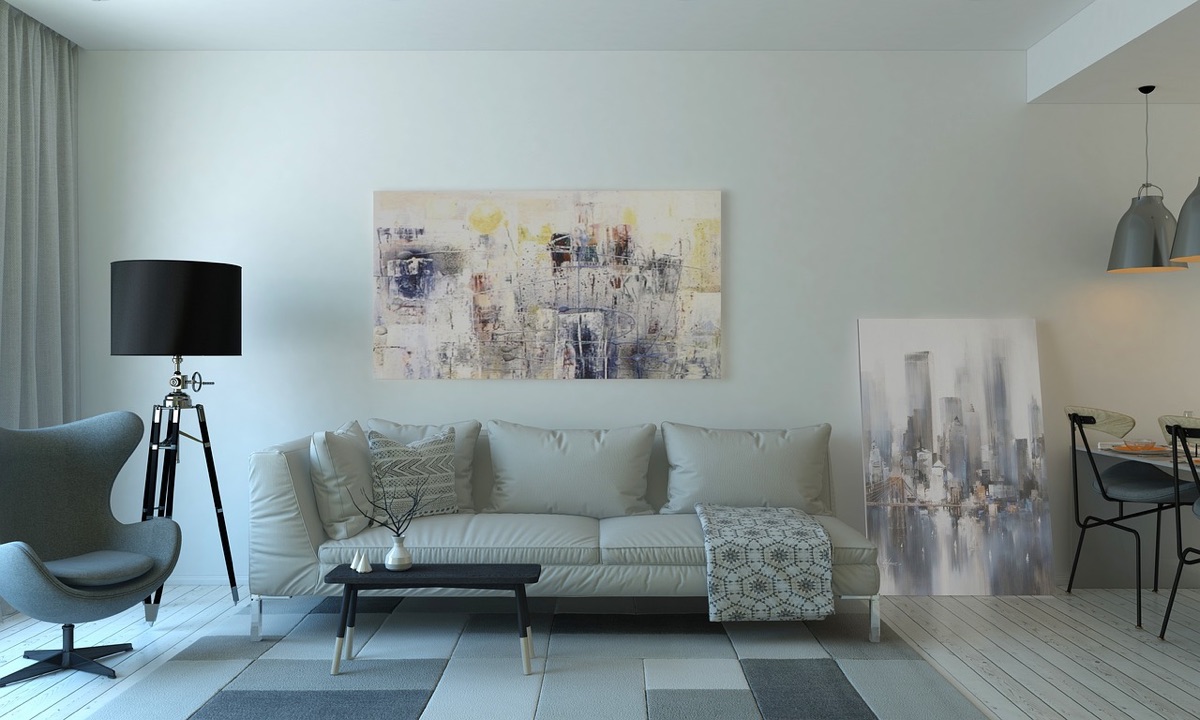
How do I match lighting with my existing furniture and layout?
I looked at my minimalist metal desk and realized that a heavy, ornate brass lamp looked completely out of place—it was a clash of eras that ruined the room's flow.
Matching your light fixtures to your furniture style is the difference between a curated home and a cluttered one. If you have a Minimalist/Modern setup, opt for slim, linear LED fixtures and metal-bodied lamps to maintain clean lines.
If your home leans Vintage or Cozy, choose fabric shades made of linen or paper to soften the light diffusion and add texture.
For those living in apartments, the "Small Space Strategy" is vital. Use plug-in wall sconces—the kind that hang from a cord—to add vertical interest without the need for an electrician.
To combat dark corners, use the "Corner Fill Strategy": place a tall floor lamp in a dim corner to visually push the walls back and expand the perceived boundaries of the room.
The goal is to complement the lines of your furniture, not fight against them.
What are the common mistakes that ruin the mood?
I once hosted a dinner party where the guest's first comment was, "Wow, it's bright in here!" I realized too late that I had left the overhead dining light on instead of using the dimmers.
The most frequent error is the "Hospital Effect." This happens when you use only high-Kelvin, cool blue light in living areas, which makes the atmosphere feel clinical and sterile.
Another pitfall is the "Over-Brightness Trap." Many people try to light the entire room to maximum brightness, which destroys the sense of intimacy.
| Mistake | Result | The Fix |
|---|---|---|
| All-Ceiling Light | Flat, "office" feel | Add floor & table lamps |
| High Kelvin in Living Room | Cold, harsh atmosphere | Switch to 2700K-3000K |
| Visible LED "Beads" | Cheap, DIY look | Use diffusers/profiles |
| Shadow Neglect | Lack of depth/texture | Use accent/task lighting |
#







Comments 0