Washing tips: Alternative washing tips guide for fabric care
"The evolution of laundry has moved from manual labor to complex automation, yet understanding the mechanics of cleaning remains essential."
Effective washing involves managing water temperature, detergent activation, and cycle timing to ensure cleanliness without damaging fabrics.
This guide explores how to navigate modern washing mechanics, provides tips for managing different load types, and addresses the limitations of high-efficiency cycles.
How do we understand the mechanics of washing without a machine?
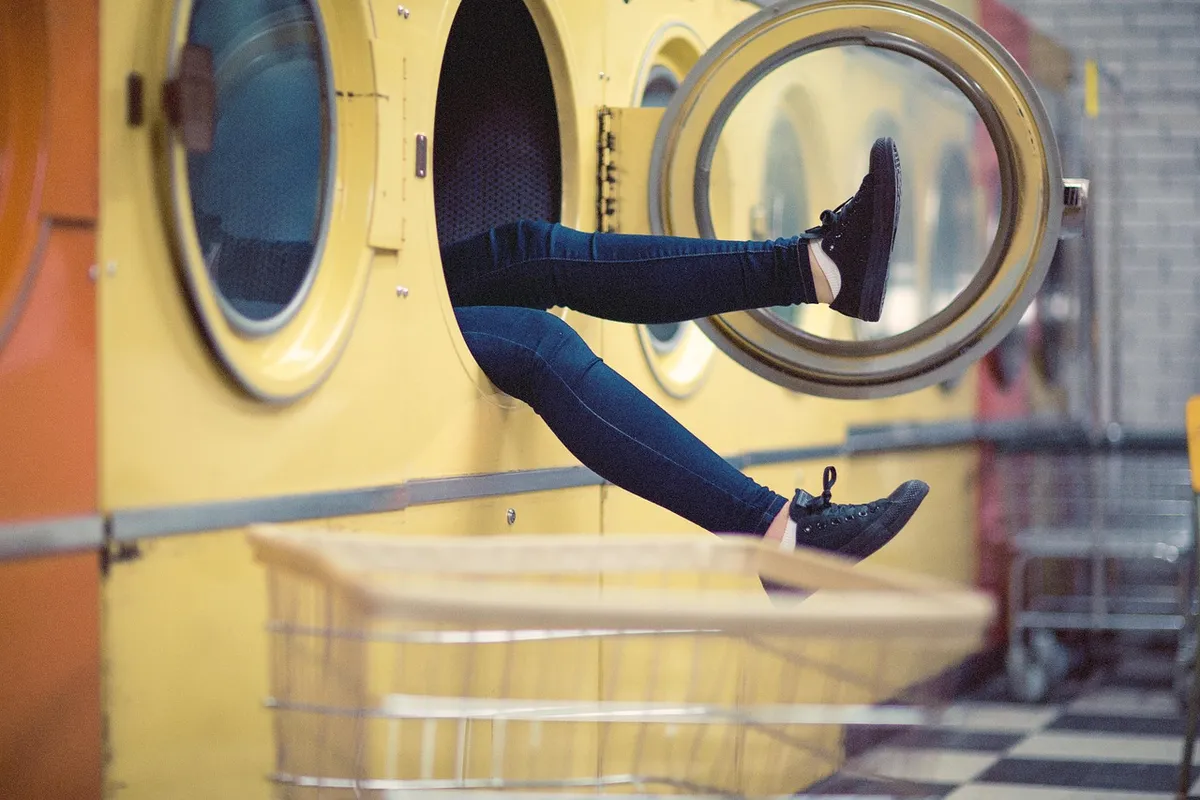
At dawn, she plunges her hands into the cold basin to begin the vigorous washing.
A person stands over a basin, feeling the temperature of the water against their skin. While modern technology has automated much of this process, the core principles of agitation and rinsing remain the same as they were in earlier eras.
Understanding the history of these tools helps contextualize modern alternatives. By 1940, 60% of the 25,000,000 electrically wired homes in the United States had an electric washing machine. This shift changed how households approached fabric care and water usage.
Earlier methods relied on manual agitation, which is the foundation for any manual washing technique. Moving clothes through water mimics the mechanical action of a drum to loosen dirt.
Understanding the interplay between friction, agitation, and chemical action is essential to replicating mechanical cycles.
What are the best ways to manage water and detergent? Alternative washing tips
In the dim kitchen, he pours soap into the warm tub to start the washing.
Setting a tub of water on a tiled floor, one prepares for a manual soak. Selecting the right temperature and detergent concentration is the first step in any manual washing guide.
Managing chemical reactions is vital for cleanliness. Temperatures exceeding 40 °C (104 °F) have the undesirable effect of deactivating the enzymes when using biological detergent. This means that even when using high heat for sanitization, one must be careful with specific cleaning agents.
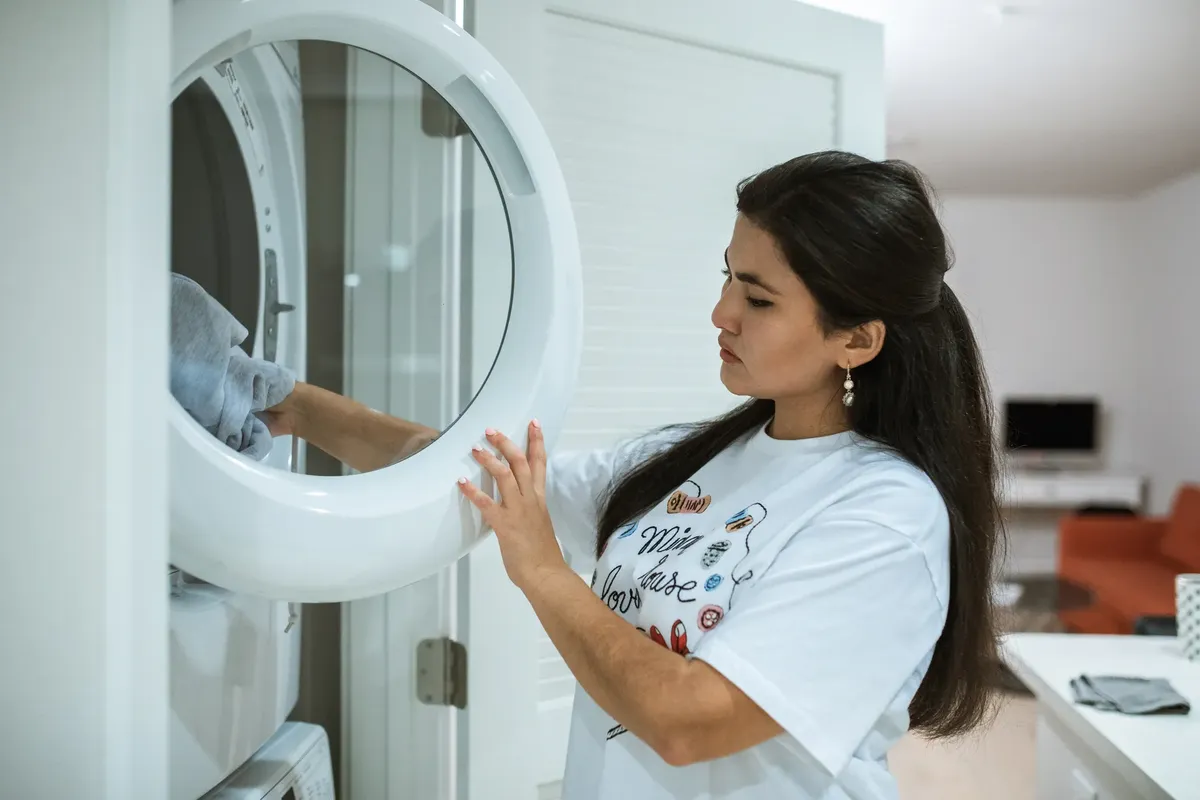
The ratio of water to soap dictates the cleaning power. Using too much detergent can leave residue, while too little may fail to lift stains.
In this sequence, the second step is the most critical.
How can we use space-saving or manual washing without machine ideas?
Organizing a small laundry corner, a person looks at the compact tools available. When space is at a premium, understanding the dimensions of equipment helps in planning alternative setups.
In certain regions, specialized equipment is designed for tight quarters. This type of horizontal-axis washer and dryer (with a circular drum) is often used in Europe, where space is limited, as they can be as thin as 41 cm (16 in) in width.
This compact design allows for efficient cleaning in smaller living environments.
Alternative washing tips often involve using smaller vessels or specialized basins to mimic these compact designs. Scaling down the equipment makes manual tasks more manageable.
Utilizing small basins or specialized scrubbing tools allows for effective cleaning in minimal living environments.
How do we optimize cleaning through better washing methods?
Stepping toward a laundry pile, one considers the weight of the clothes. Effective cleaning requires balancing the amount of laundry with the volume of water and the strength of the agitation.
Modern high-efficiency machines represent a significant shift in resource use. High-efficiency washers use 20% to 60% of the detergent, water, and energy of "standard" commonly used top-loader washers.
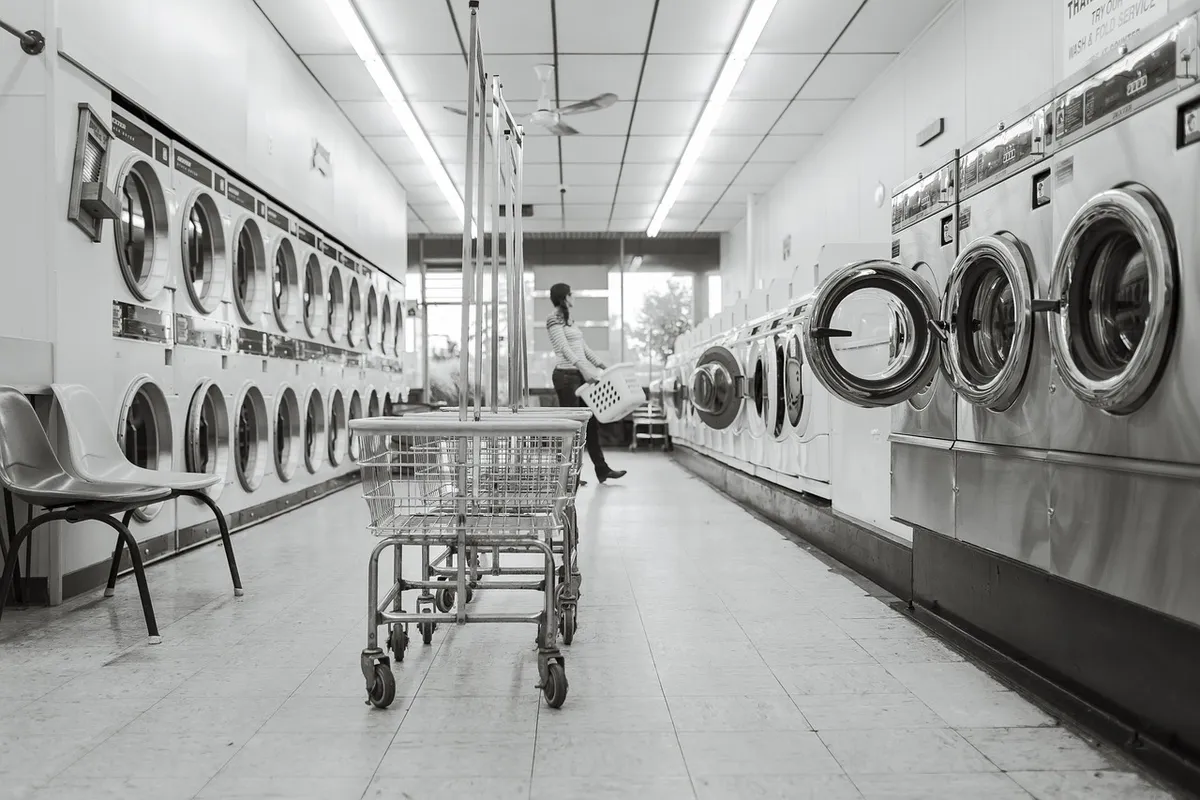
This efficiency requires a different approach to loading and timing compared to older, larger machines.
Using these principles, one can refine manual tasks. Better washing methods involve treating each load with specific attention to the volume of water used.
Optimizing cleanliness requires balancing water temperature with the specific fabric type to prevent damage while maximizing dirt removal.
What are the steps for a successful manual wash?
A person carefully pours water into a basin to begin the process. Following a structured approach ensures that clothes are cleaned thoroughly without being ruined.
To perform a manual wash, follow these steps:
- Prepare the water temperature to suit the fabric type to avoid damage. 2. Submerge the items and allow them to soak to loosen dirt before agitation. 3. Rinse the clothes multiple times in fresh water to ensure all soap is removed.
Always perform a final check of the fabric to ensure no soapy residue remains. This ensures the clothes are ready for drying.
- Sort items by color and fabric weight.
- Soak the laundry in a prepared soapy solution.
- Agitate the clothes manually to loosen stains.
What are the limitations of modern and manual washing?
A person looks at a clock, noting how long a cycle has taken. Understanding that different machines and methods have different time requirements is key to planning.
Some processes are more time-consuming than others. For a 3.5 kg (7.7 lb) load, from 2011 to 2021, the average Australian washing machine cycle (including rinsing and spinning) has lengthened from 99 to 144 minutes for front-loaders, and 55 to 59 minutes for top-loaders.
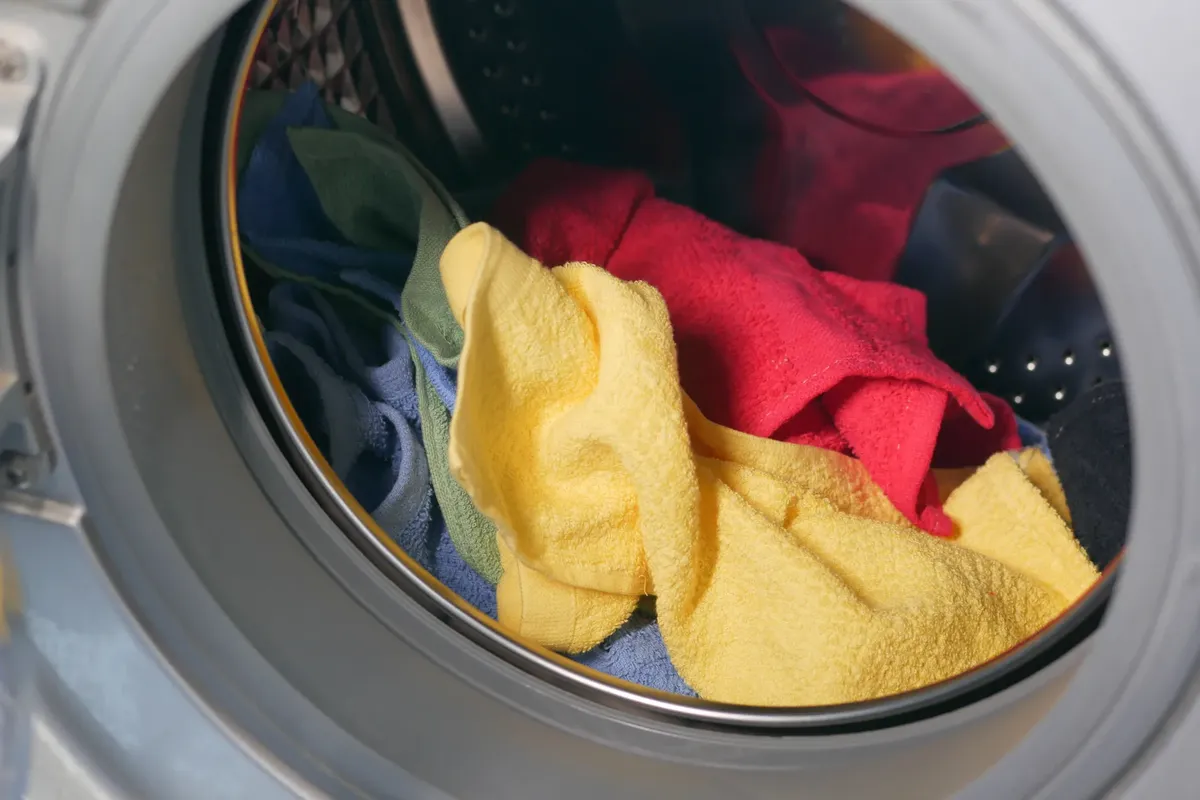
This demonstrates that modern efficiency often comes at the cost of longer processing times.
A limitation of high-efficiency processes is that they often take longer to complete a cycle. This timing can vary significantly depending on the specific technology and sensor-driven adjustments used.
While manual washing saves energy, it is significantly more labor-intensive and time-consuming than automated alternatives.
The same subject is also called No machine washing ideas.
The same subject is also called DIY laundry solutions.
This part also covers Boost washing efficiency tips.
Related
- How does the scale of a major retailer define the industry?
- Harvest tips: 8 hours Small space home harvest tips guide
How does the evolution of laundry affect fabric care?
The evolution of laundry necessitates a shift in how individuals approach fabric care, moving from intensive manual labor to reliance on automated systems. When comparing manual agitation to machine action, the fundamental goal of loosening dirt remains constant, regardless of the method used.
Manual washing relies on the physical movement of clothes through water to achieve the same effect that a drum rotation provides. This comparison highlights that while the tools change, the core principles of cleaning are rooted in physics.
What conditions dictate effective detergent use?
Detergent management is a critical factor in achieving effective cleaning results. The ratio of water to soap dictates the cleaning power, establishing a direct relationship between concentration and stain removal capability.
Using a concentration that is too high can result in detergent residue adhering to the fabric, while a concentration that is too low may fail to adequately lift stains.
Furthermore, when considering the conditions of the wash, temperatures exceeding 40 °C (104 °F) introduce a caution regarding biological detergent, as these temperatures have the undesirable effect of deactivating the enzymes within the cleaning agent.
Wikipedia: Washing machine




Comments 0