Natural 300 million light guide for Cozy winter interior
"A house should be built with regard to the natural light of the site, ensuring warmth and vitality through its orientation."
Creating a cozy winter interior requires thoughtful planning to combat the seasonal chill. This guide explores how to manage light and structure to maintain a warm atmosphere during cold months.
You will learn about natural light orientation, an understanding of structural limitations, and how to handle extreme weather conditions.
How can natural light help warm a room?

She leaned her forehead against the pane at noon, feeling the gentle heat of natural light soak into her skin.
A person stands by a window, watching the frost creep across the glass while the sun struggles to break through the clouds. Adjusting the orientation of a building is a fundamental way to capture warmth during the winter.
According to a historical design overview, the placement of a house on a bank, oriented 30 degrees counterclockwise from due south, was intended so that every room would receive natural light.
This strategic positioning allows the low winter sun to penetrate deeper into living spaces, providing both visual brightness and passive solar warmth. Utilizing light effectively can change the entire sensation of a room during the darkest months of the year.
Strategically placing reflective surfaces can amplify sunlight to increase ambient warmth throughout the day.
What are the challenges of winter weather? Cozy winter interior tips
A heavy blanket of snow covers the driveway, and the wind howls against the exterior walls of the house. Large-scale weather events can affect millions of people, necessitating homes that feel secure and warm.
According to the National Weather Service, meteorologists estimated that there were around 300 million people under winter precipitation and/or cold warnings or advisories.
Meteorologists from the National Weather Service estimated that there were around 300 million people under winter precipitation and/or cold warnings or advisories. Such widespread weather events highlight the importance of having a well-planned living environment.
A home must provide more than just shelter; it must offer a sense of warmth when the outdoor environment is harsh.
Fluctuating outdoor temperatures can lead to significant heat loss through windows and door seals.
How do ceiling heights affect the feeling of a space?
A person walks through a hallway, noticing how the low ceiling makes the room feel intimate yet somewhat enclosed. Ceiling height is a key element in determining the atmosphere and comfort of an indoor environment.
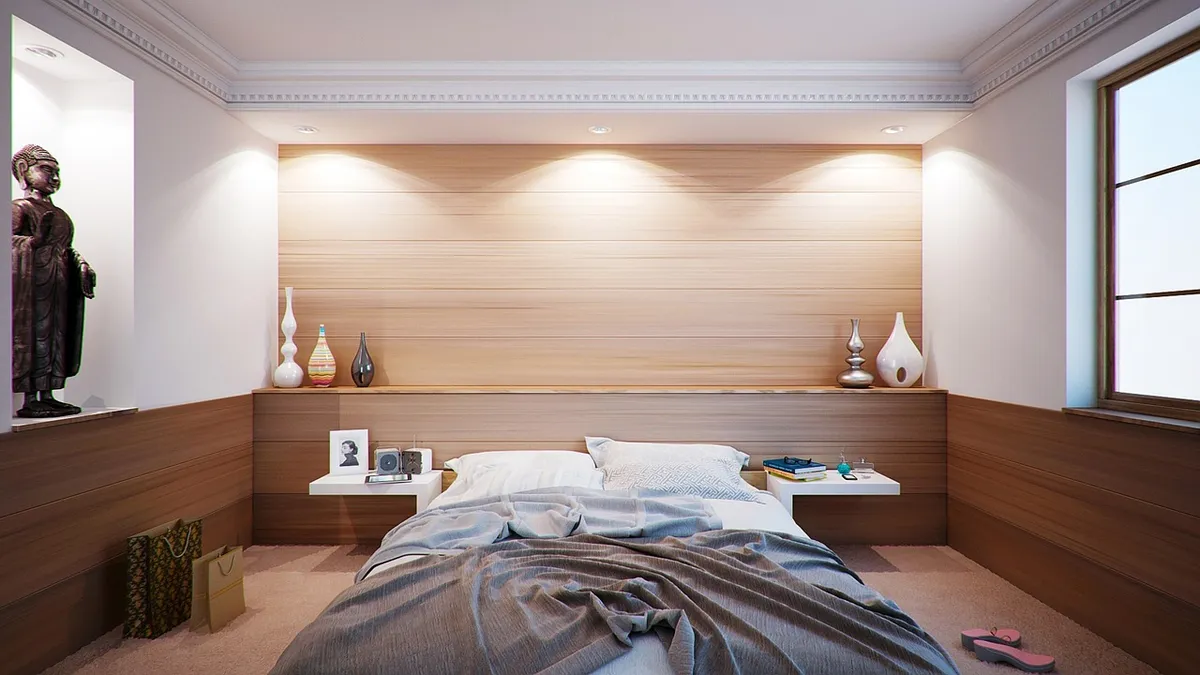
Designers sometimes use specific heights to create a sense of intimacy. For example, some ceilings are as low as 6 feet 4 inches (1.93 m) because they were designed based on the assumption that the average person was a specific height.
While higher ceilings can feel airy, lower ceilings can help retain heat and create a snug, cocoon-like feeling during the winter.
Higher ceilings create an airy, expansive atmosphere, while lower ceilings can make a room feel more intimate and cozy.
How do we manage space in a guest wing?
A guest enters a side wing of the house, finding a private area with its own unique characteristics. Guest areas often require a balance of functionality and comfort to make visitors feel at home.
The guest wing's ceilings are typically 7 feet 4 inches (2.24 m) tall, and it has a lounge, bedroom, and bathroom. This layout ensures that guests have a complete living experience within a controlled environment.
Managing these smaller, dedicated spaces is essential for maintaining a consistent atmosphere throughout the entire home.
Utilizing multifunctional furniture helps maintain an open feel while providing necessary amenities for visitors.
What are the structural limitations to consider?
A homeowner inspects a terrace, noting how the stone has settled slightly over the years. Understanding the physical reality of a building is necessary for long-term maintenance and comfort.
Structural shifts can change how a space feels and functions over time. For instance, once the formwork was removed, the first-floor terrace sank about 1.75 inches (4.4 cm). Additionally, the ends of the terraces had sagged by 7 inches (180 mm), tilting almost two degrees.
Recognizing these shifts helps in managing the practical aspects of living in a structured environment.
Load-bearing walls and existing plumbing layouts often dictate the possibilities for interior reconfiguration.
How to prepare a home for the cold?
A person gathers heavy blankets and adjusts the thermostat to prepare for a long night of winter weather. Following a systematic approach to seasonal transitions can ensure the home remains a sanctuary.
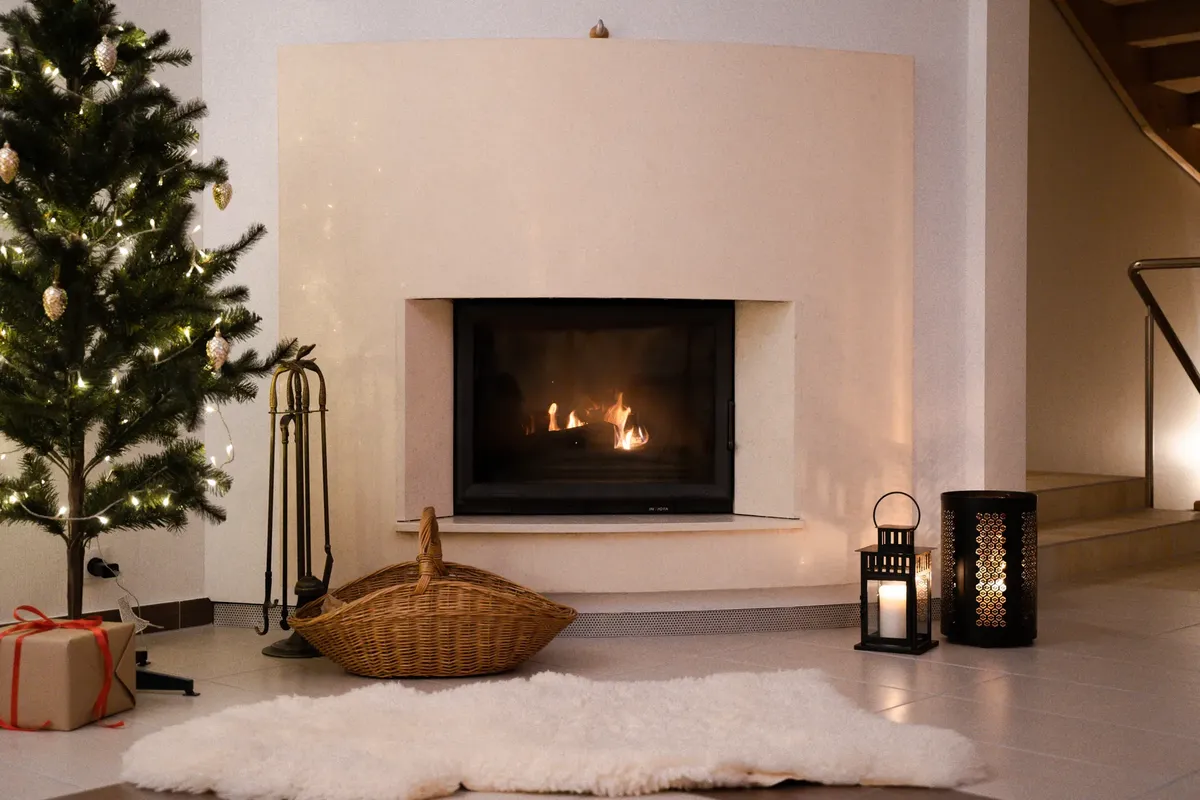
- Optimize light: Arrange furniture to take advantage of the sun's path through the windows. 2. Manage temperature: Check that heating elements are functional and that insulation is intact. 3. Create intimacy: Use textiles and layout changes to make large rooms feel more personal.
I found that checking the window placements first helped me understand how to better use the natural light during the afternoon.
A limitation of using specific architectural orientations is that they depend entirely on the specific site and topographical conditions of the property.
- Inspect all window seals and weatherstripping for gaps.
- Service the heating system to ensure efficient operation.
- Insulate exposed pipes to prevent freezing.
Related
- Small fridge alternatives guide: Tips for food safety
- Why does a lighting change interior style matter?
When should the house incorporate thermal mass? Thermal mass materials help regulate temperature swings within the structure. Incorporating such elements allows the house to absorb excess heat during sunny periods and slowly release it when temperatures drop. This aids in maintaining a stable, comfortable internal climate throughout the winter months.
- Heat absorption: Dense materials soak up solar energy when the sun is present. 2. Release: These same materials then radiate that stored warmth back into the room when the sun sets. This passive heating method complements the natural light orientation.
Considering the structural limitations, the selection of materials for the house must align with the building's physical capacity to handle thermal loads.
How does ceiling height relate to heat retention? Lower ceilings can assist in keeping heat inside the house during winter. The snug feeling provided by a reduced ceiling height helps to create a cocoon-like atmosphere when the outdoor environment is cold. This effect contrasts with the airy feeling that taller ceilings can impart to a space.
What conditions necessitate careful structural assessment? Structural shifts require careful homeowner inspection because they alter how a space functions over time. The settling of stone on a terrace, for example, demonstrates a physical change in the house. Recognizing these movements is crucial for the long-term upkeep of the house.
When planning the house, the consideration of natural light orientation must always be paired with an understanding of the site's topography. This connection ensures that the design is practical for the specific location of the house.
The guest wing's layout, featuring a lounge, bedroom, and bathroom, allows for a complete experience within that dedicated area. This controlled environment supports the overall goal of maintaining a consistent atmosphere throughout the entire house.





Comments 0