Small fridge alternatives guide: Tips for food safety
"The optimal temperature range for perishable food storage is 3 to 5 °C (37 to 41 °F)."
Finding a small fridge alternatives guide requires understanding how to maintain specific temperature ranges for food safety. You can utilize various cooling methods to manage perishables, though efficiency and temperature stability remain the primary challenges.
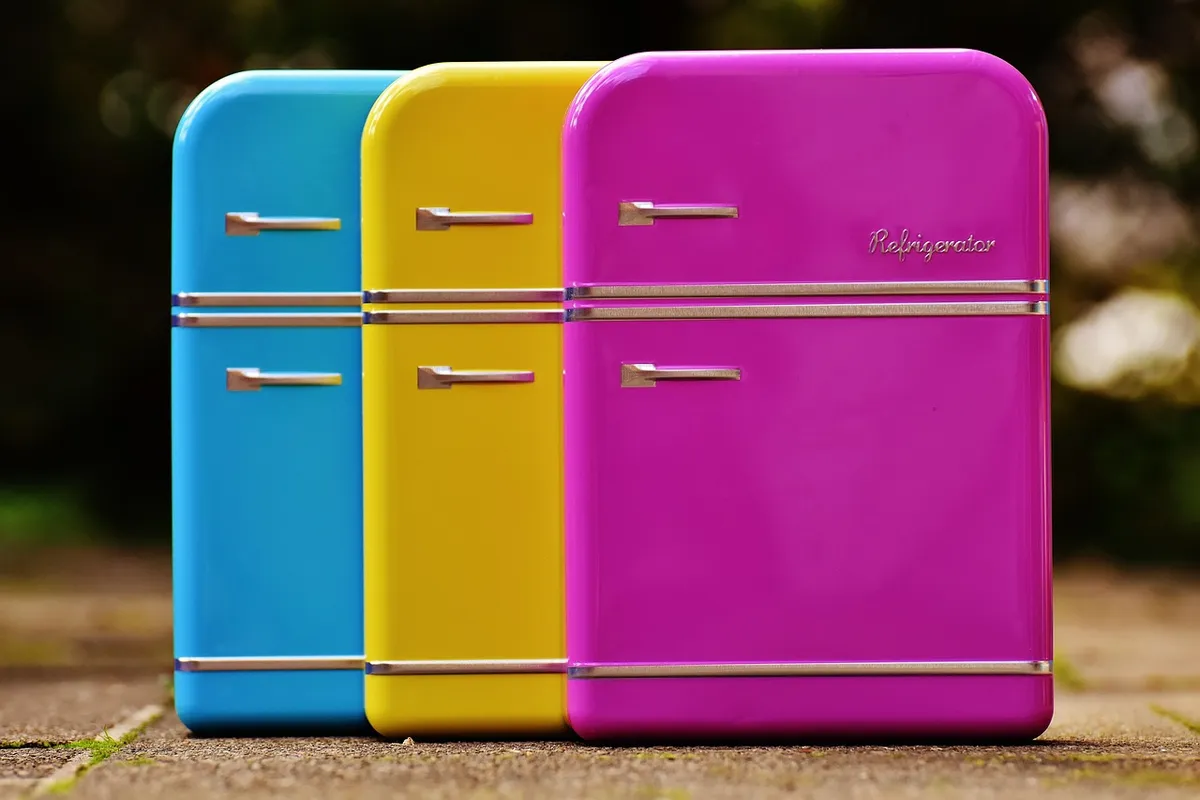
This guide covers temperature requirements, cooling strategies, and the limitations of non-standard storage.
How to manage temperature for food safety?
At midnight in the dim kitchen, she grips the thermometer tightly to ensure the small container stays cold.
A hand reaches for a thermometer to check the internal temperature of a cooling container. Ensuring the right environment is the first step in any cooling strategy.
The optimal temperature range for perishable food storage is 3 to 5 °C (37 to 41 °F). Maintaining this specific range is critical for preventing spoilage when using different storage methods.
If you are managing a small space, keeping the environment within this narrow window ensures that food remains safe for consumption.
- Monitor the internal temperature of your storage unit regularly.
- Keep perishable items in the coldest zones of the appliance.
- Minimize the time the door remains open to prevent temperature fluctuations.
What can I use instead of a small fridge? Small fridge alternatives guide He sighs while sliding the heavy lid shut on the small cooler in the backyard heat.
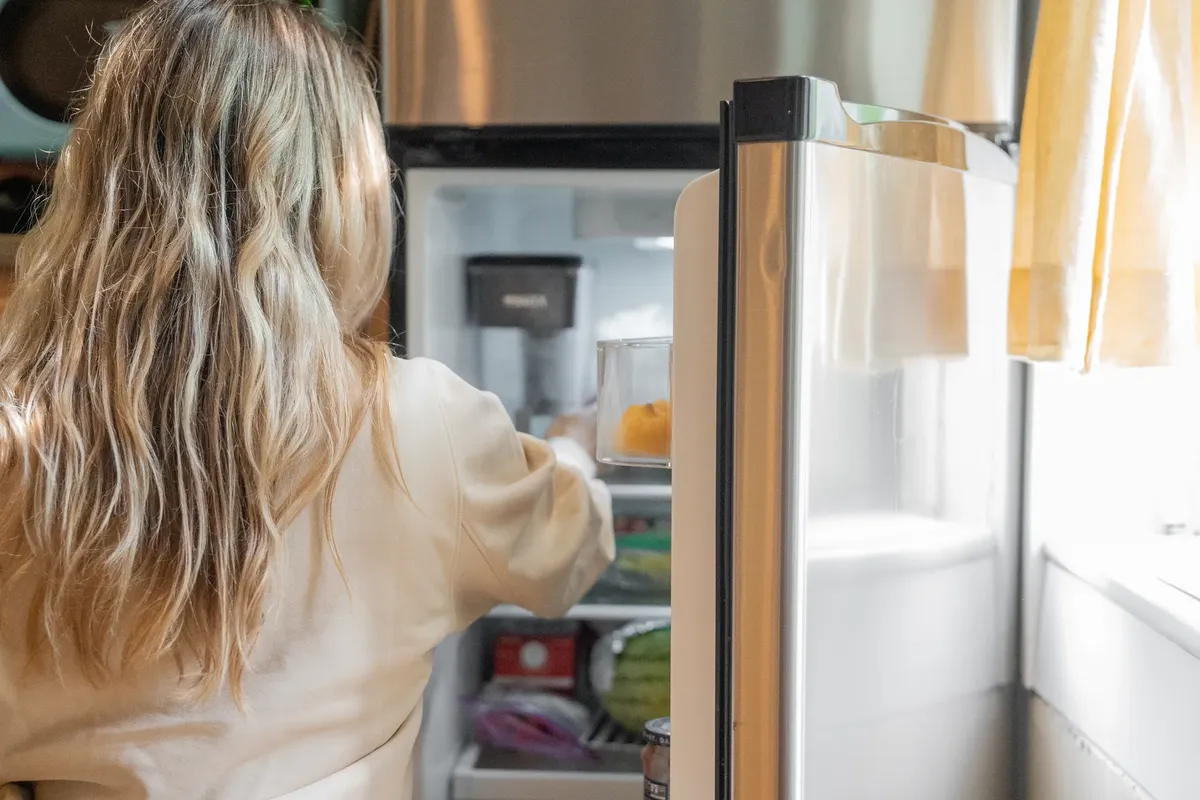
A person carefully places a sealed container into a specialized cooling chest. Identifying effective alternatives depends on the type of food being stored.
Effective fridge substitute ideas include using high-quality insulated coolers or specialized cooling chests. For items that need to stay frozen, food stored at or below −18 °C (0 °F) is safe indefinitely.
Using these methods allows for flexible storage in environments where a permanent appliance is unavailable.
In this sequence, the second point is the most detailed.
How to use cooling aids effectively?
An ice pack is placed into a compartment to stabilize the temperature. Utilizing specialized cooling aids can help replicate the performance of a traditional appliance.
For those looking for small cooler replacements, managing the thermal mass is essential. While standard freezers maintain temperatures from −23 to −18 °C (−9 to 0 °F), using ice or cooling packs requires more frequent monitoring.
You must ensure that the cooling agent can maintain the necessary temperature for the specific food type.
What are some better ways to keep things cool? A person adjusts the settings on a portable cooling unit. Exploring different ways to keep things cold can provide more options for temporary setups.
Some people explore alternative cooling hacks by using staged cooling or specialized thermal containers. For example, while household freezers generally do not achieve lower than −23 °C (−9 °F), certain specialized units can go much lower.
However, for everyday food, the goal is simply to stay within the safe perishable range.
How to use cooling aids for frozen goods?
A hand opens a lid to check the frozen contents inside a chest. Managing frozen items requires different strategies than managing fresh produce.
When considering mini fridge swaps, remember that frozen storage has different requirements. Food stored at or below −18 °C (0 °F) is safe indefinitely.
It is recommended to use certain features of cooling units several hours before adding more than 1 kg of unfrozen food to the freezer to ensure the temperature stabilizes properly.
Can you achieve ultra-low temperatures?
A scientist carefully handles a sample near a cryogenic unit. Some specialized cooling needs go far beyond standard food storage requirements.
While standard food storage focuses on the 3 to 5 °C range, certain applications require much colder environments. For instance, cryogenic chest freezers can achieve temperatures down to −150 °C (−238 °F).
These methods are generally not practical for standard food but show the extreme end of cooling technology.
The subject here is Small fridge alternatives guide.
This part also covers Best small fridge substitutes.
This part also covers Tips for fridge replacement.
Related
What are the limitations of non-standard storage?
Non-standard storage methods face challenges in maintaining the optimal temperature range compared to permanent appliances. While standard freezers maintain temperatures from −23 to −18 °C (−9 to 0 °F), portable alternatives require more frequent monitoring to ensure stability.
If you are managing a small space, you must ensure the cooling agent can maintain the necessary temperature for the specific food type.
For items that need to stay frozen, food stored at or below −18 °C (0 °F) is safe indefinitely, but using ice or cooling packs requires careful management of the thermal mass.
You should ensure that the environment remains within the 3 to 5 °C (37 to 41 °F) range to prevent spoilage when using these different storage methods.
How does the optimal temperature compare across storage types? The optimal temperature for perishable food storage is 3 to 5 °C (37 to 41 °F), which contrasts with the lower temperatures achieved by standard freezers. Standard freezers maintain temperatures from −23 to −18 °C (−9 to 0 °F), a range significantly colder than the recommended range for fresh perishables. Cryogenic chest freezers, conversely, demonstrate the extreme capability of cooling technology, reaching temperatures as low as −150 °C (−238 °F).
When comparing portable alternatives to permanent appliances, the stability of the optimal temperature becomes a significant factor. Portable alternatives necessitate more frequent monitoring to ensure the desired temperature is maintained throughout the storage period. This contrasts with the consistent temperature regulation provided by a dedicated, permanent appliance.
What conditions affect the effectiveness of cooling aids? Effective use of cooling aids depends on ensuring the cooling agent can maintain the necessary temperature for the specific food type. For frozen items, food stored at or below −18 °C (0 °F) is safe indefinitely, provided the cooling aid is adequate. When employing ice or cooling packs, careful management of the thermal mass is required to sustain the desired temperature.
Minimizing the time the door remains open is a procedure that directly influences temperature stability across all storage methods. This caution helps prevent temperature fluctuations, which are particularly problematic when relying on non-standard storage solutions. Regularly monitoring the internal temperature of the storage unit is a vital step in any cooling strategy to confirm the optimal temperature is being met.




Comments 0