Small fridge alternatives: Tips for keeping food fresh
"The goal is to find a way to keep food fresh without a massive appliance taking up every inch of available space."
This guide covers cooling methods, essential temperature targets, and safety checks for those seeking budget cooling solutions or space saving storage.
How to manage small fridge alternatives?
At dusk in the dim kitchen, I slide a small insulated bag across the counter and feel the smooth plastic surface.

Choosing the right cooling method depends on whether you need long-term storage or temporary relief.
According to The European Union, the Directive on annual financial statements of 2013 aims to "limit administrative burdens and provide for simple and robust accounting rules, especially for small and medium-sized enterprises (SMEs)".
For short-term needs, a cooler box can act as a temporary fridge replacement. However, anyone using these methods must ensure they can maintain specific thermal levels to keep food from spoiling.
What temperature targets do I really need? In the quiet morning, my fingers tremble as I touch the frosty metal of a small thermometer to check the air.
A hand reaches into a cooler to check the thermometer, ensuring the air feels crisp. Maintaining the right environment is the most critical part of using any cooling substitute.
The optimal temperature range for perishable food storage is 3 to 5 °C (37 to 41 °F). Keeping food within this narrow window is vital for preventing bacterial growth. If you are using a freezer-based option, remember that food stored at or below −18 °C (0 °F) is safe indefinitely.
How to ensure safe temperature keeping methods?

A block of ice sits nestled in a bed of salt, chilling a bottled drink. Achieving consistent coldness requires more than just an insulated box; it requires active management of thermal mass.
To maintain stability, follow these steps: 1. Use insulated containers to provide a thermal barrier. 2. Monitor the internal environment with a reliable thermometer. 3. Avoid overfilling the space to allow for air circulation.
I once tried to pack a single large item into a small cooler, only to find the temperature spiked because the air could not circulate. Always ensure there is enough room for cold air to move around your perishables.
What are the best ways to cool down on a budget? A person carefully places ice packs into a specialized bag to prepare for a trip. For those without a permanent appliance, finding a balance between cost and performance is key.
Budget cooling solutions often rely on high-quality insulation rather than mechanical compressors. While these are cheaper, they require more frequent monitoring than a standard unit.
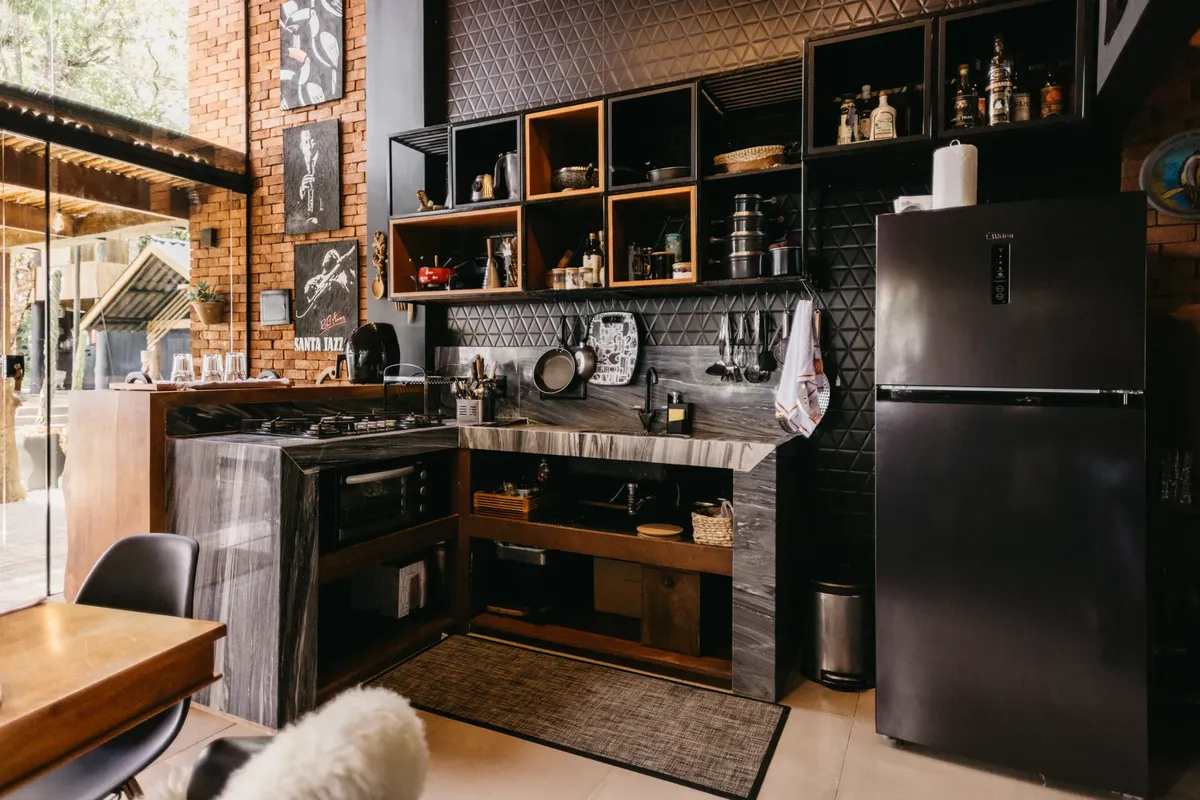
For those with even tighter space constraints, portable cooling options like electric coolers can bridge the gap between a traditional fridge and a simple ice chest.
Can I use a freezer for everything?
The frost on a freezer door glimmers under the kitchen light. While it is tempting to use a freezer as a primary storage unit, there are technical limitations to consider.
| Storage Type | Target Temperature |
|---|---|
| Perishable Food | 3 to 5 °C (37 to 41 °F) |
| Frozen Food | −18 °C (0 °F) or below |
Most household freezers maintain temperatures from −23 to −18 °C (−9 to 0 °F). It is important to remember that lowering the freezer compartment temperature excessively can cause difficulties in maintaining the required above-freezing temperature in the refrigerator compartment.
Wikipedia: Small business Based on the retained excerpt mentioning Small Business Administration: Small Business Administration Office of Advocacy's 2026 FAQ, small businesses employ 62.3 million people, or 45.9 percent of U.S.

- Finding effective small fridge alternatives involves balancing space-saving needs with strict temperature requirements to prevent spoilage.
- An empty kitchen counter sits under a soft light, waiting for a solution to hold fresh groceries.
- Small fridge alternatives can range from high-tech portable units to simple insulated containers.
The subject here is Small fridge alternatives.
The same subject is also called Mini fridge substitutes.
The same subject is also called Cooler box ideas.
The same subject is also called Fridge replacement tips.
This part also covers Safe temp keeping methods.
Safe temp keeping methods
Related
- Lighting layering for mood: How to use light for atmosphere
- Electric heater warm kitchen: How to guide cozy space
How to find the right balance for space?
Finding the right balance involves comparing the specific cooling method against the required temperature range for your food. You must weigh the space-saving benefits of a compact unit against the necessity of maintaining a 3 to 5 °C (37 to 41 °F) environment.
According to the Small Business Administration, small businesses employ 62.3 million people, or 45.9 percent of U.S.
If your goal is long-term storage, a freezer-based option might be more suitable than a simple cooler box. However, if you only need temporary relief, a cooler box serves as a functional replacement.
You must always compare the thermal capacity of your chosen method to the specific needs of your perishables to prevent spoilage.
What precautions should I take with portable units?
Precautions involve monitoring the internal environment to ensure it stays within the safe 3 to 5 °C (37 to 41 °F) range. Because portable units often lack the heavy insulation of large appliances, they require more frequent temperature checks.
- Compare the temperature of the unit to the 3 to 5 °C (37 to 41 °F) target regularly. 2. Check that the air circulation is not blocked by overfilling the container. 3. Ensure that any freezer-based option stays at or below −18 °C (0 °F) for frozen items.
Always be cautious when using budget solutions like ice chests, as they require more active management to maintain the necessary thermal levels. If you choose an electric cooler, ensure it can bridge the gap between a standard fridge and a simple ice chest effectively.
How to manage the goal of space saving?
Managing the goal of space saving requires comparing the size of the cooling method against the specific temperature requirements of the food. You must decide if a portable unit or a simple cooler box provides enough thermal stability for your needs.
If you choose a cooler box for temporary relief, you must ensure it can maintain the 3 to 5 °C (37 to 41 °F) range. For long-term storage, you might find that a freezer-based option is more effective at keeping food at or below −18 °C (0 °F).
Always weigh the space-saving benefits against the necessity of preventing spoilage through strict temperature control.
What is the comparison between cooling methods?
Comparing cooling methods involves looking at the difference between active and passive temperature management. You must determine if the chosen method can reliably hold food within the 3 to 5 °C (37 to 41 °F) window or if it is better suited for frozen items at −18 °C (0 °F).
- Compare the thermal barrier of an insulated container against a mechanical unit. 2. Evaluate if a portable electric cooler can bridge the gap better than a standard ice chest. 3. Check if the air circulation in a small space allows for the necessary temperature stability.
Using a single large item in a small space can cause temperature spikes, so you must find a way to allow air to move. If you use a freezer-based option, ensure it can maintain the required temperature for perishables while also keeping frozen items at −18 °C (0 °F) or below.
FAQ
Is frozen food safe to keep long-term?
Related posts

Lighting layering for mood: How to use light for atmosphere
Electric heater warm kitchen: How to guide cozy space

How does the scale of a major retailer define the industry?





Comments 0