Solar power for home: Home power plant setup guide tips
"The sun provides the raw energy, but the infrastructure we build determines how much of that power actually reaches our lights and appliances."
A home power plant setup guide begins with understanding your local grid and deciding on the scale of your solar installation.
This guide covers the fundamental requirements for residential solar PV capacity, the technical challenges of load-frequency control, and the economic realities of break-even costs.

You will learn about installation scale, managing grid stability, and the limitations of current PV contribution levels.
How do I start a home power plant setup guide?
At dawn, I wipe sweat from my brow while staring at the empty backyard where the solar panels will soon stand.
Standing in a sun-drenched backyard with a stack of silicon panels, one realizes that residential energy production is about more than just hardware. It is about matching the installation to the specific needs of a household while considering the existing electrical infrastructure.
A successful home power plant setup guide requires an assessment of current capacity and local regulations. In 2015, the United Kingdom utilized 2,499 MW of residential solar PV capacity, which included 775,000 producers and represented 2.7% of households.
This scale shows that residential systems are a significant part of the modern energy landscape.
What is the potential for small power generation?
Tracing the vast horizon at dusk, I feel the warmth of the fading light while imagining the vast potential of a solar array.
Looking over a rooftop at midday, the quiet hum of an inverter signifies the conversion of light into usable electricity. Small power generation allows homeowners to contribute to the grid while securing their own energy needs.
According to the Consumer Energy Alliance, GTM researchers estimate that the four solar markets include more than 100,000 installations at low-income properties.
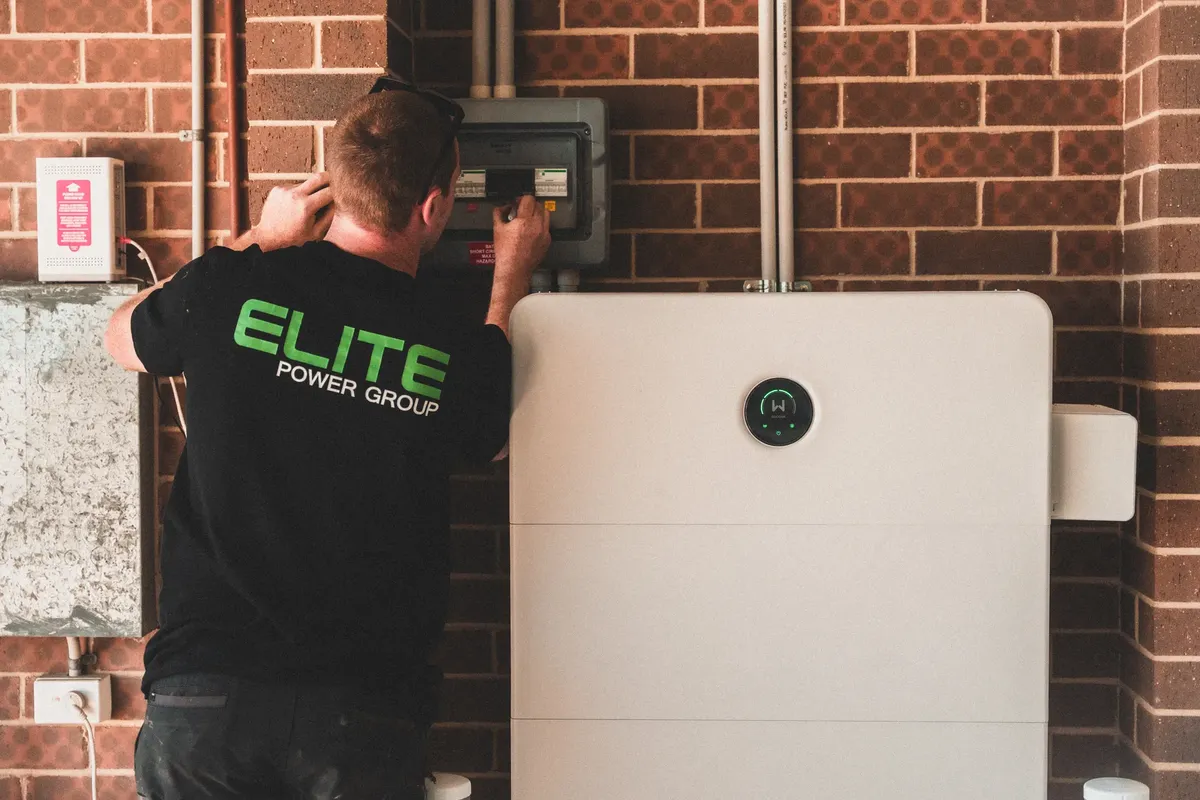
According to the Golden Valley Electrical Association, the system is expected to reduce power blackouts on the local power grid by more than 60 percent.
The growth of these systems has been consistent. This upward trend suggests that more households are looking toward DIY home electricity solutions to manage their energy footprint.
How do I handle DIY home electricity challenges?
At noon, I squint against the glare while gripping a heavy wrench to secure the solar mounting bracket.
Adjusting a circuit breaker or checking a wiring harness requires a clear understanding of how solar input affects the local grid. Integrating renewable energy into a conventional system introduces technical complexities that must be managed to prevent instability.
An electrical power system containing a 10% contribution from PV stations would require a 2.5% increase in load-frequency control (LFC) capacity over a conventional system. This issue may be countered by using synchronverters in the DC/AC-circuit of the PV system.
Managing these technical shifts is vital for energy independence home projects.
What are the best solar panel systems for cost-efficiency?
Comparing two different panels on a workbench, the difference in efficiency and price becomes immediately apparent to the naked eye. Choosing between different types of solar technology involves balancing the cost per watt against the expected energy yield.
| Panel Type | Efficiency Range | Cost per Watt |
|---|---|---|
| Standard PV | 10–18% | $2.00–$3.00 |
| Monocrystalline | 17–22% | $3.00–$3.50 |
I noticed during my research that while higher efficiency often comes at a premium, the choice depends heavily on available space and budget.
How can I achieve energy independence home goals?
Walking through a neighborhood where every second house has panels, the transition toward decentralized energy becomes clear. Achieving energy independence home status requires a strategic approach to both installation and grid interaction.
One way to approach this is through these steps: 1. Evaluate the total wattage needed based on household consumption. 2. Select hardware that balances efficiency with the specific budget constraints. 3. Implement control technologies, such as synchronverters, to manage voltage and frequency.
A final check of the system's integration with the local utility is essential to ensure compliance.
What are the limits of solar power for home?
Sitting at a desk reviewing economic reports, the reality of grid limits becomes a central concern for planners. While individual installations are beneficial, the cumulative effect of many homes generating power can challenge traditional grid management.
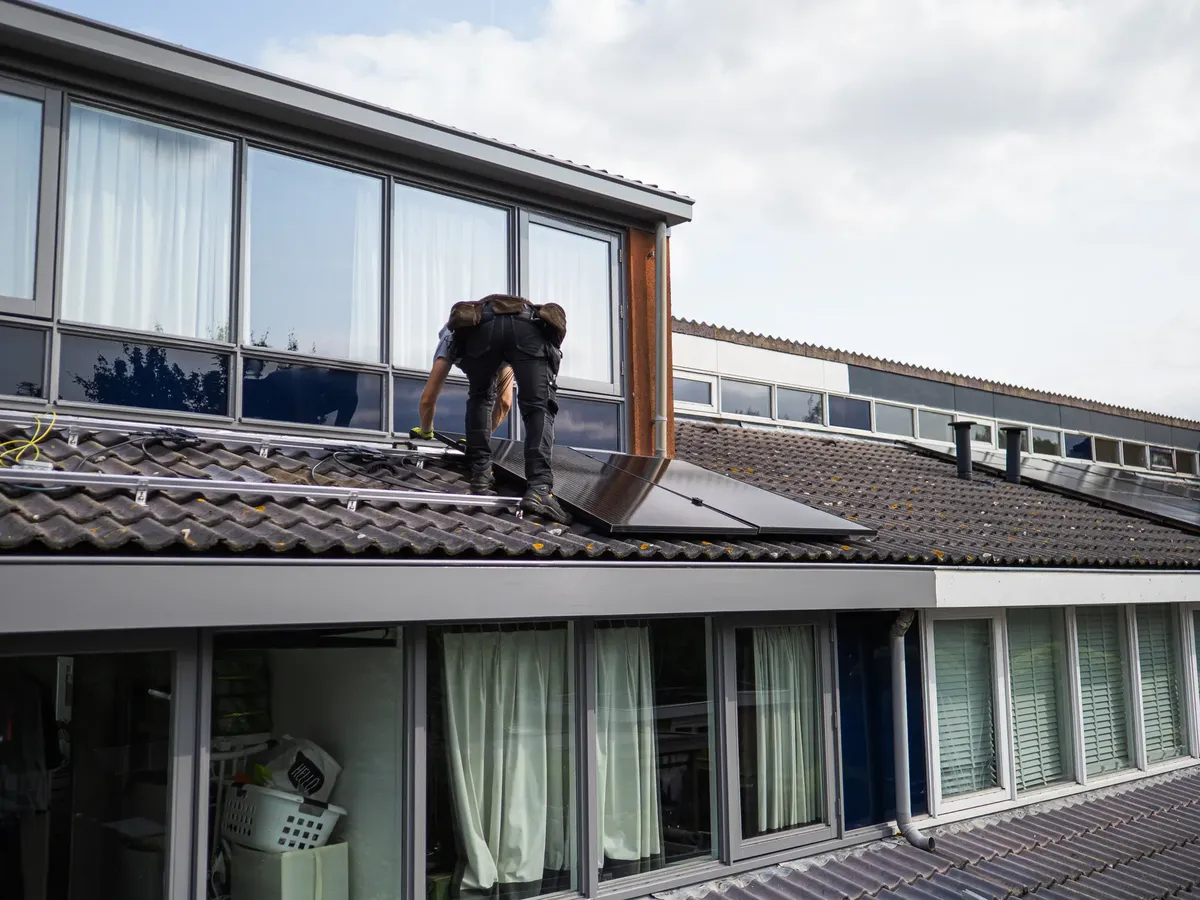
Economic and LFC considerations impose an upper limit of about 10% on PV contributions to the overall power systems. While higher proportions of PV power generation give lower break-even costs, this 10% limit is a critical factor in maintaining grid stability.
web.archive.org Based on the retained excerpt mentioning Association (GVEA): The system, operated by the Golden Valley Electrical Association (GVEA), is expected to reduce power blackouts on the local power grid by more than 60 percent.
This part also covers How to save on electricity bills.
This part also covers Selling excess home power.
Related
- Upcycle furniture ideas: Tips for recycling old furniture
- Fridge substitute ideas: Guide to manual cooling methods
How does the grid manage fluctuating solar energy provides? 1. The infrastructure determines how much of the raw energy reaches appliances. 2. Load-frequency control (LFC) capacity must be increased when PV stations contribute power. 3. A 10% PV contribution necessitates a 2.5% increase in LFC capacity over a standard system. 4. Synchronverters can help counter the technical shifts introduced by integrating PV into the DC/AC circuit.
This management is necessary because the sun provides variable energy input throughout the day. Maintaining grid stability requires careful balancing of supply and demand, even with decentralized energy sources.
What are the economic considerations for home power plants? Comparing the cost per watt against the expected energy yield helps determine cost-efficiency. While higher efficiency panels often carry a premium price, the final selection depends on the available space and the homeowner's budget. Achieving lower break-even costs is linked to higher proportions of PV power generation, though this is capped by grid limitations.
The overall economic reality involves balancing upfront investment against long-term energy savings. Understanding these costs is crucial before committing to a specific installation scale.






Comments 0