Upcycle furniture ideas: Tips for recycling old furniture
"Sustainability in design starts with seeing potential in what others discard."
Effective upcycling furniture ideas involve repurposing old items into functional decor to reduce waste and save costs. This guide covers creative ways to breathe new life into tired pieces, provides practical steps for a successful makeover, and highlights the environmental benefits of reuse.
* Assess the structural integrity of your old items. * Select appropriate materials for surface updates. * Apply strategic design changes to change the function.
How can I start with upcycle furniture ideas?
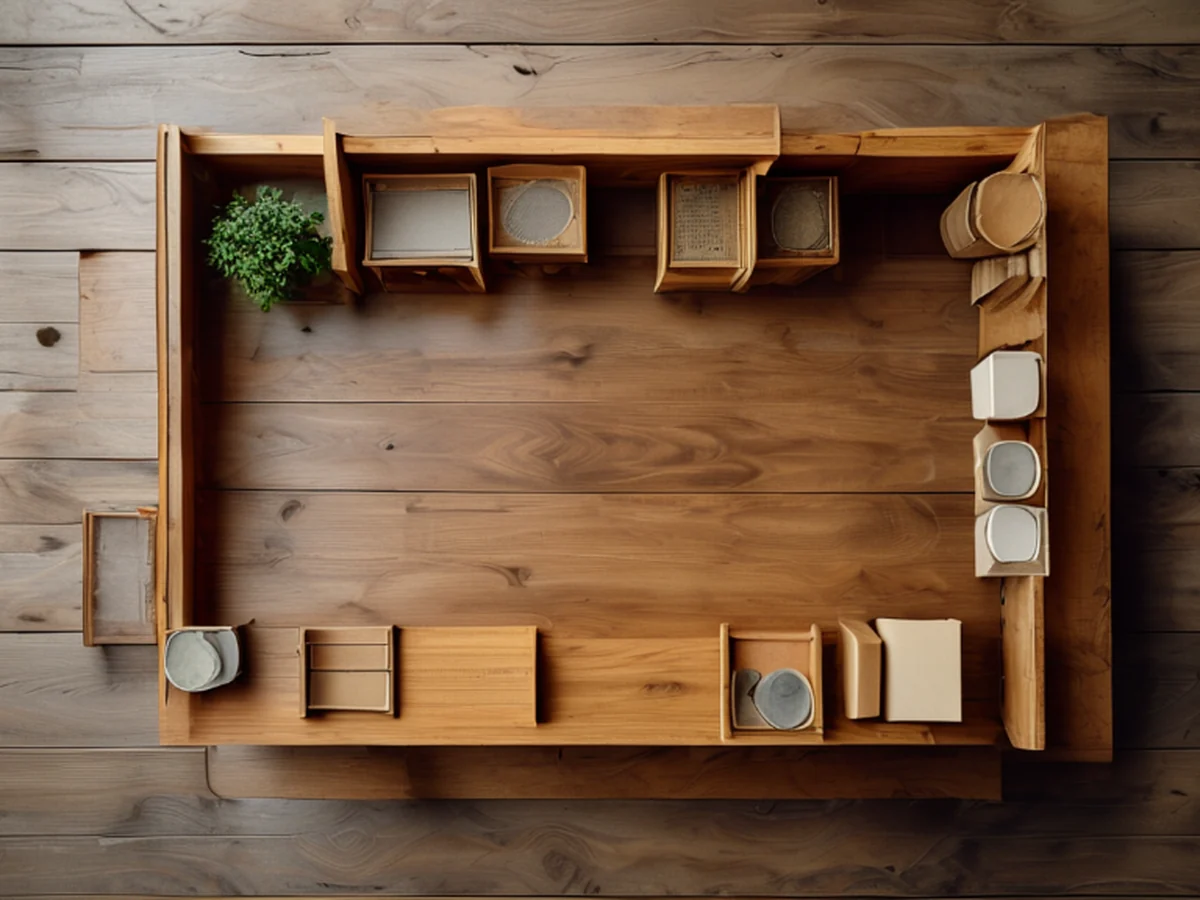
As you stand in the dusty garage at dawn, you grip a piece of rough sandpaper to begin your first upcycle project.
Walking into a cluttered garage, you see a wooden chair with a wobbly leg and a scratched seat. You pick up a piece of sandpaper and realize that even a damaged item can serve as a foundation for a new project.
Effective upcycle furniture ideas often begin with a thorough assessment of the existing structure. Before applying paint or new fabric, you must ensure the base is sturdy enough to handle its new purpose.
If the frame is solid, you can focus on aesthetic changes like sanding or staining to refresh the look.
A common approach involves evaluating the material composition to determine the best cleaning or refinishing method. Using the right tools prevents damage to the original grain while preparing the surface for a second life.
This initial step ensures that your creative efforts result in a durable piece rather than a temporary fix.
- Inspect your current pieces for structural integrity.
- Gather basic cleaning and sanding supplies.
- Brainstorm potential new uses based on the item's shape.
Why is it useful to recycle old furniture?
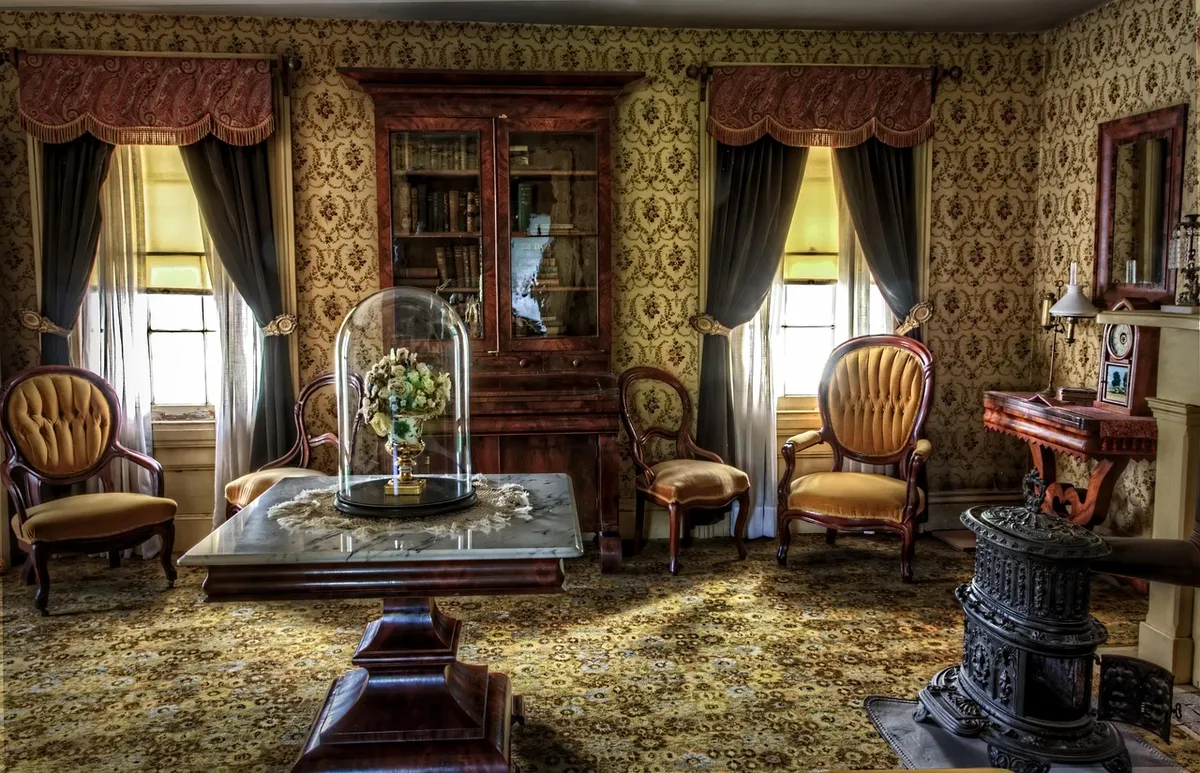
In the quiet morning light, you stroke the smooth, reclaimed wood and realize how rewarding it is to upcycle vintage treasures.
Standing in a sunlit room, you look at a vintage side table that no longer matches your modern decor. You decide to sand the surface, thinking about how much energy was used to create it originally.
The primary reason to pursue these projects is to minimize household waste while maximizing resource efficiency.
According to a study conducted by the Technical University of Denmark according to the Economist, in 83 percent of cases, recycling is the most efficient method to dispose of household waste. Using old items prevents them from ending up in landfills prematurely.
Beyond waste reduction, repurposing items allows for a unique, personalized aesthetic that mass-produced pieces cannot match. By choosing to reuse, you are participating in a circular economy that values the energy already embedded in manufactured goods.
This mindset turns every piece of old furniture into a potential design asset.
In this sequence, the first step is the most important.
What are some creative upcycling projects?
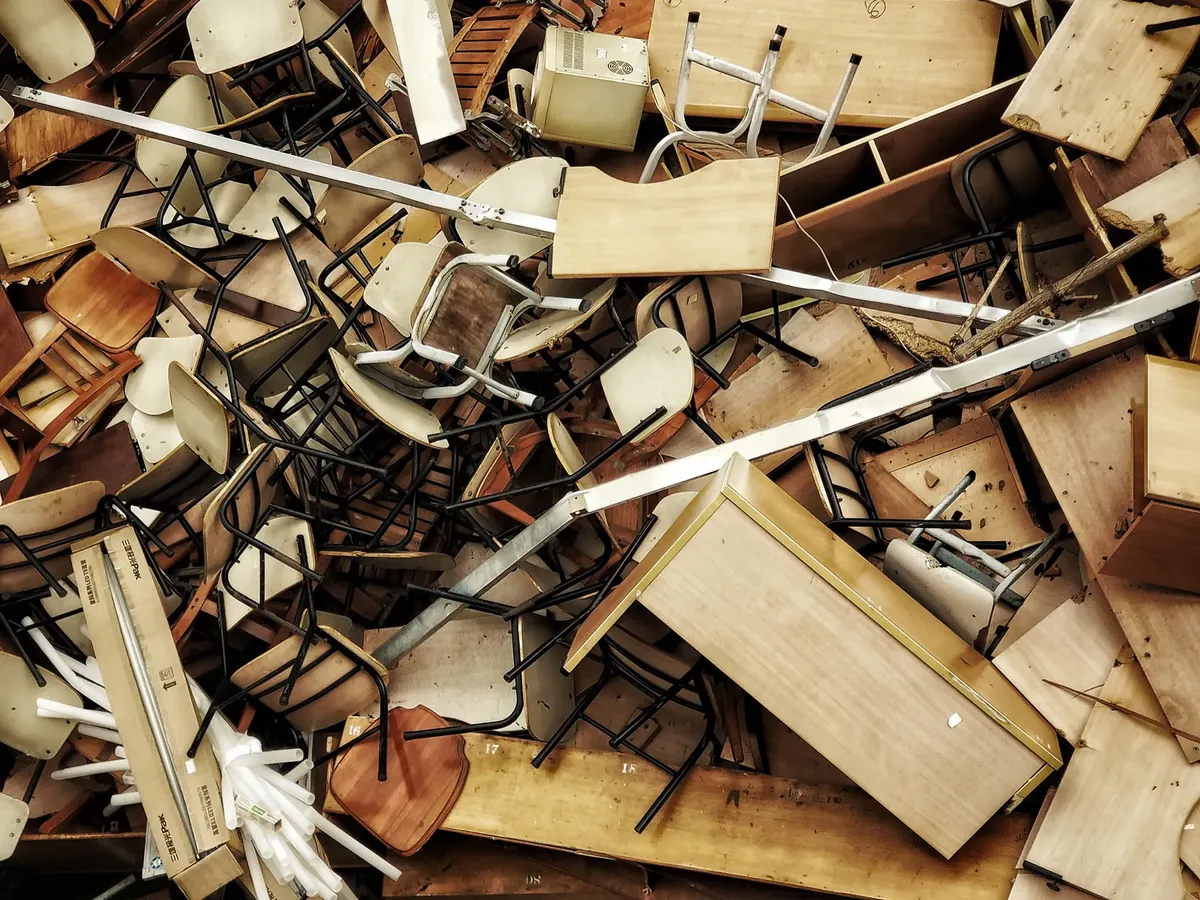
You sit on the floor of your living room, surrounded by old crates and a stack of vintage books. You wonder if these items could become a modular shelving unit for your workspace.
Engaging in creative upcycling projects can transform an ordinary room into a curated space with character. You might turn an old ladder into a bookshelf or convert a vintage suitcase into a unique side table.
These transformations require looking past the original intent of the object to see its new potential.
One method is to change the function of an item entirely. For example, an old door can be sanded and treated to become a large dining table, while a small stool can be repurposed as a plant stand. These shifts in utility provide both visual interest and practical solutions for small living spaces.
How do I manage a DIY furniture makeover?
You lay out a drop cloth on the floor and gather various cans of paint and brushes. The smell of fresh wood sealant fills the air as you prepare for a long afternoon of work.
A successful DIY furniture makeover requires a systematic approach to ensure a professional finish. You can follow these three steps to achieve consistent results:

- Deep clean and sand the surface to remove old varnish, oils, or dirt. 2. Apply a high-quality primer to ensure the new color adheres properly to the old material. 3. Apply multiple thin layers of paint or sealant, allowing for proper drying time between each coat.
After finishing the layers, perform a final check by running your hand over the surface to ensure there are no bumps or rough spots. If the texture feels uneven, a light sanding might be necessary before the final clear coat. Taking these steps prevents the project from looking amateurish.
What are some furniture reuse tips for different materials?
You hold a heavy metal lamp base in one hand and a delicate wooden frame in the other. You realize that different materials require vastly different approaches to successful reuse.
Effective furniture reuse tips depend heavily on the material you are working with. For metal items, removing rust and applying a metal-specific primer is essential. For wooden pieces, understanding the grain and moisture content helps in choosing the right stain or paint.
| Material Type | Primary Focus | Common Technique |
|---|---|---|
| Wood | Surface Texture | Sanding and Staining |
| Metal | Corrosion Control | Priming and Painting |
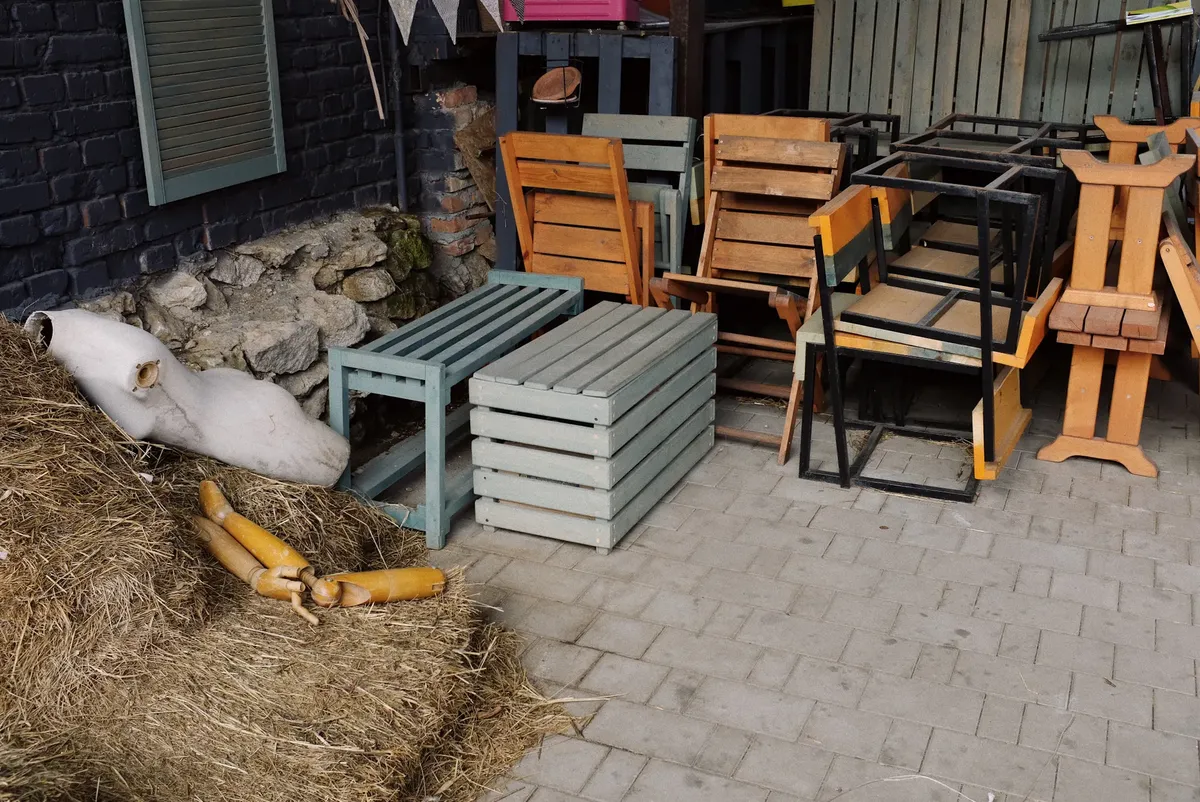
When working with mixed materials, I always check how the different components bond together. For instance, combining metal legs with a wooden top requires specific hardware to ensure stability. Checking the compatibility of old and new parts is vital for a lasting result.
A limitation of these methods is that they cannot fix structural failures like termite damage or severe rot.
Wikipedia: Recycling Based on the retained excerpt mentioning EPA: The EPA states that "recycling aluminum cans, for example, saves 95 percent of the energy required to make the same amount of aluminum from its virgin source, bauxite." In 2009, more than half of all aluminium cans produced came from recycled aluminium.
Related
- Fridge replacement storage ideas: Best tips for food safety
- Storage tips: Hide storage in rental home for open space
When should I consider professional help during design? When the structural integrity of the furniture presents a significant challenge, seeking professional assistance is advisable. If the damage exceeds the scope of simple sanding or surface treatment, a skilled artisan can address deep-seated issues. This caution applies especially when the piece involves complex joint failures or extensive material decay. Professional intervention ensures the final design meets safety standards.
How does Sustainability influence the final design aesthetic? Sustainability in design encourages a thoughtful integration of the object's past into its future form. The visible history of the upcycled piece often becomes a desirable aesthetic feature, contrasting with the uniformity of newly manufactured goods. Choosing to reuse inherent material characteristics contributes to a unique visual narrative.
The decision to upcycle inherently supports the principles of sustainability in design by diverting material from disposal streams. This conscious choice elevates the piece beyond mere functionality into a statement about resource stewardship.
The resulting furniture carries a story that mass production lacks.
When comparing the effort involved, the time spent on preparation—cleaning and sanding—is directly proportional to the longevity of the final design. A rushed preparation phase compromises the entire endeavor, regardless of the quality of the subsequent paint application.








Comments 0